Why Older Adults Struggle With Sleep—and How to Fix It
Many older adults struggle to get enough sleep, putting their health at risk. Poor sleep has been linked to serious conditions like heart disease, diabetes and memory problems. Experts say quality rest is vital for well-being at any age.
Older people often sleep less than the recommended 7 to 8 hours per night. Health issues, changes in sleep patterns and disrupted body clocks can make it harder to fall and stay asleep. Many also experience nonrestorative sleep, leaving them tired during the day.
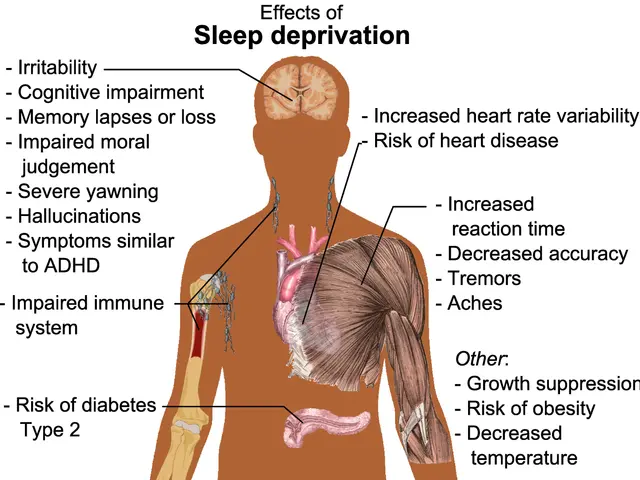
Not getting enough rest can worsen existing problems or trigger new ones. Research connects poor sleep in older adults to high blood pressure, anxiety, depression and a higher risk of falls or accidents. Over time, chronic sleep deprivation may contribute to diabetes and cognitive decline.
Improving sleep hygiene can make a difference. Keeping a regular sleep schedule, winding down with a relaxing routine and creating a comfortable bedroom environment all help. Avoiding caffeine and heavy meals late in the day, staying active and managing stress also support better rest.
When sleep problems persist despite these changes, experts advise seeing a doctor. Addressing underlying issues can lead to better rest and long-term health benefits. The CDC stresses that older adults should aim for 7 to 8 hours of quality sleep each night.