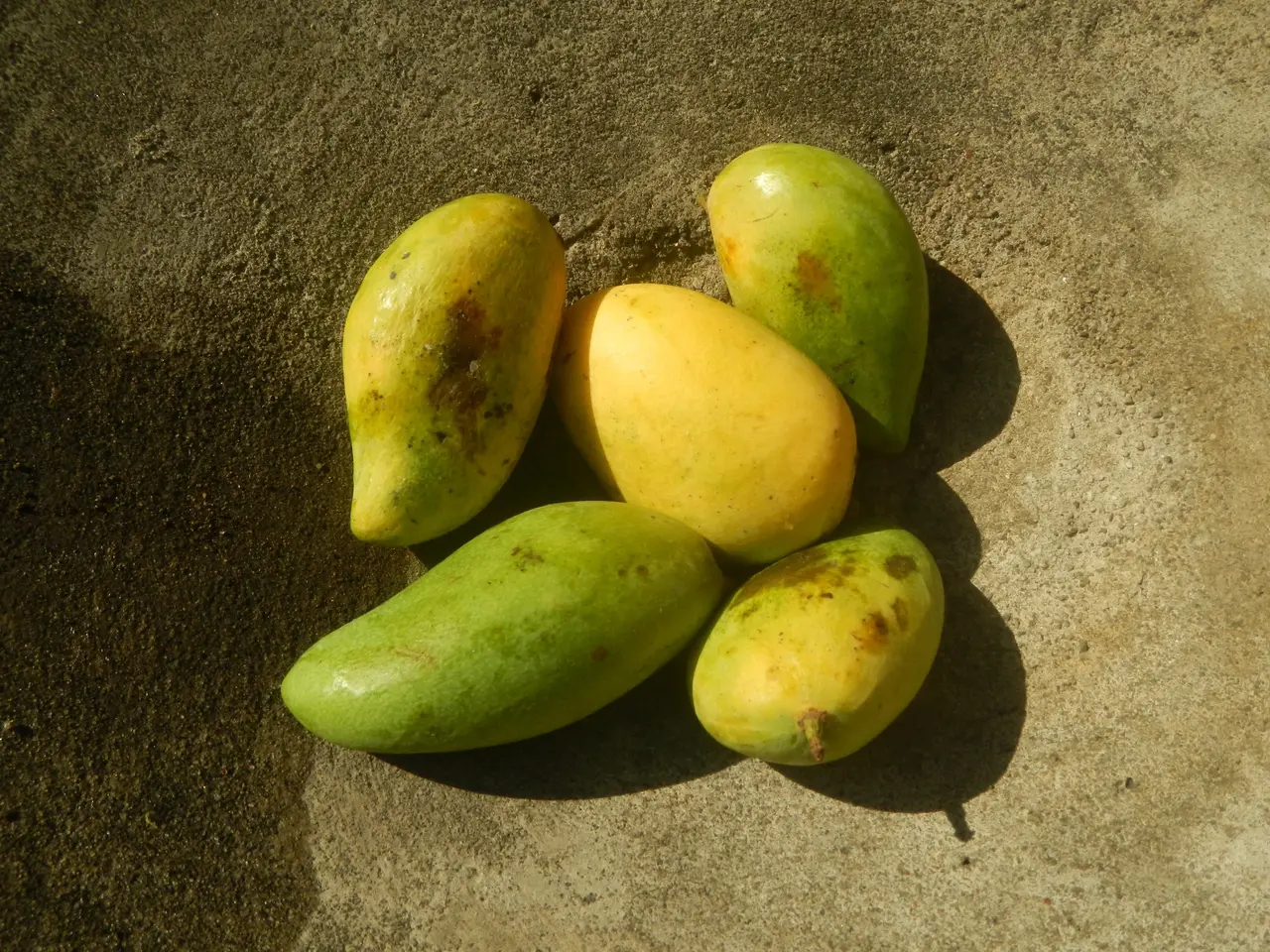
Why papayas are a tropical superfood packed with surprising benefits
Papayas are more than just a sweet, melon-like fruit. Packed with nutrients like beta-carotene and vitamin C, they offer a range of health benefits. Early explorers once called them 'tree melons', though they are technically berries growing on tall plants in warm climates. A small papaya, weighing around 157 grams, contains 67 calories, 0.7 grams of protein, and 17 grams of carbohydrates. It also provides 2.6 grams of fibre and 12.3 grams of natural sugar. One serving delivers over the recommended daily amount of vitamin C and a third of the daily vitamin A requirement—68 micrograms per cup of sliced fruit.
The fruit contains papain, an enzyme that helps reduce oxidative stress and inflammation. Fermented papaya, in particular, may improve gut health due to its probiotic content. It can also lower blood sugar levels, though it is not recommended for those on insulin or oral diabetes medications. Papayas thrive in tropical and subtropical regions. In the U.S., they grow in warm states like California, Florida, Hawaii, Texas, and Puerto Rico. Mexico is another major producer, though specific details on its key growing areas remain unclear.
Papayas support health in multiple ways, from boosting vision to protecting the heart. Their high nutrient content and natural enzymes make them a valuable addition to diets. The fruit's versatility extends from fresh eating to fermented preparations, offering benefits for digestion and blood sugar control.