Why Poor Sleep Habits Could Be Harming Your Brain and Body
Sleep plays a crucial role in keeping both the brain and body healthy. Yet only one in ten adults puts it ahead of other daily priorities. New findings show that poor sleep habits can lead to serious long-term problems, including cognitive decline and chronic illnesses.
Experts recommend that adults aged 26 to 64 get seven to nine hours of sleep each night. Those over 65 should aim for seven to eight hours. When a full night's rest isn't possible, short naps can help make up for lost sleep.
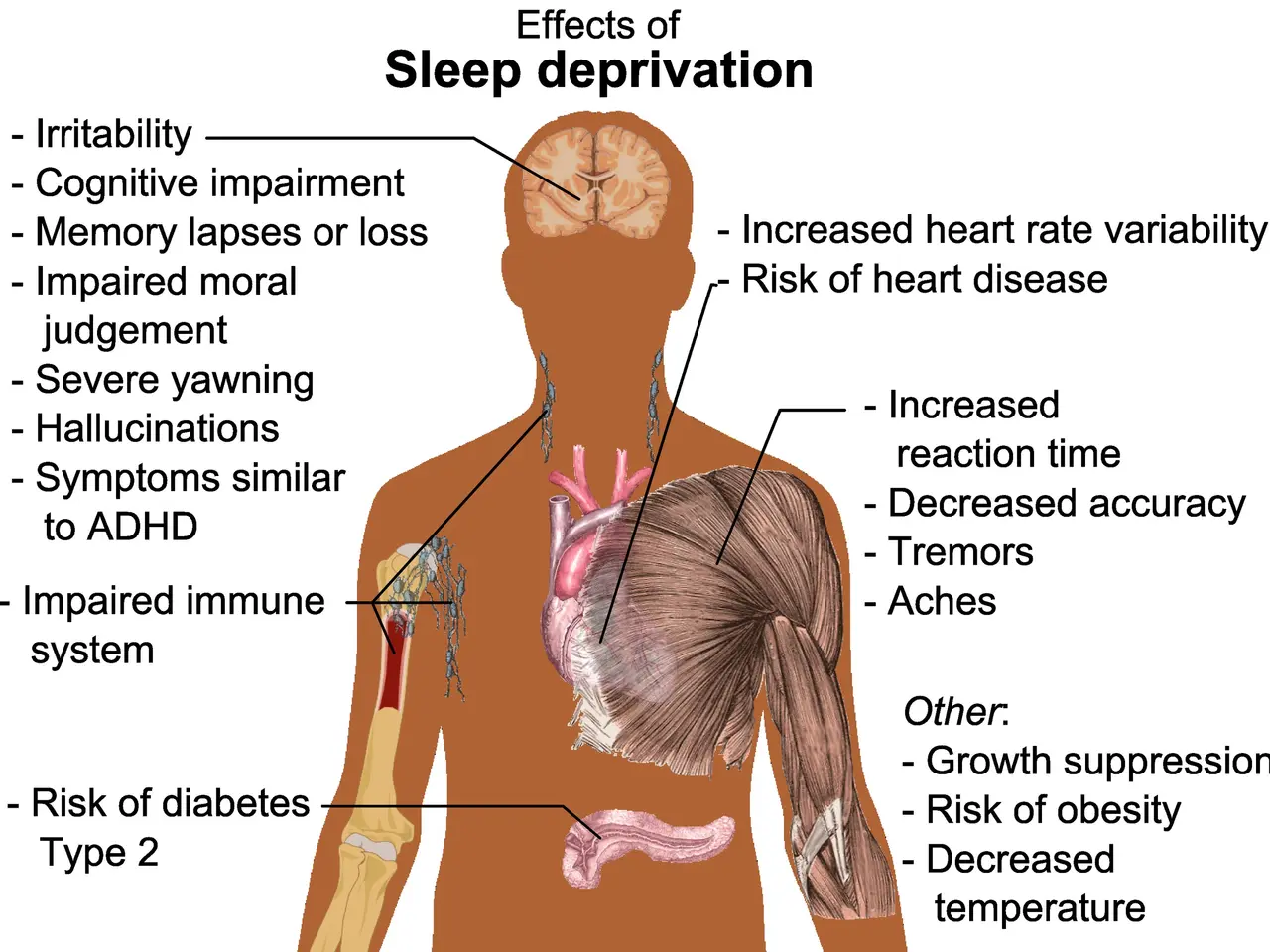
Chronic sleep issues, such as insomnia or obstructive sleep apnoea (OSA), have been linked to higher risks of heart disease, high blood pressure, and type 2 diabetes. OSA, in particular, may increase levels of beta-amyloid, a protein fragment associated with Alzheimer's disease. Over time, untreated sleep disorders can also weaken concentration and cognitive performance. In Germany, 42% of people reported sleep disturbances in the past year, often tied to stress and work demands. These problems can lead to exhaustion and other health risks. While short-term fixes like prescription sleep aids may be used, doctors advise taking the lowest effective dose for the shortest time possible. For chronic insomnia, cognitive behavioural therapy is often recommended instead of long-term medication.
Better sleep habits can improve focus, memory, and overall health. Those struggling with ongoing sleep problems should consult a doctor to address potential risks. Without proper treatment, the effects on mental and physical well-being may worsen over time.