Why Russia's imported strawberries may hide dangerous chemical secrets
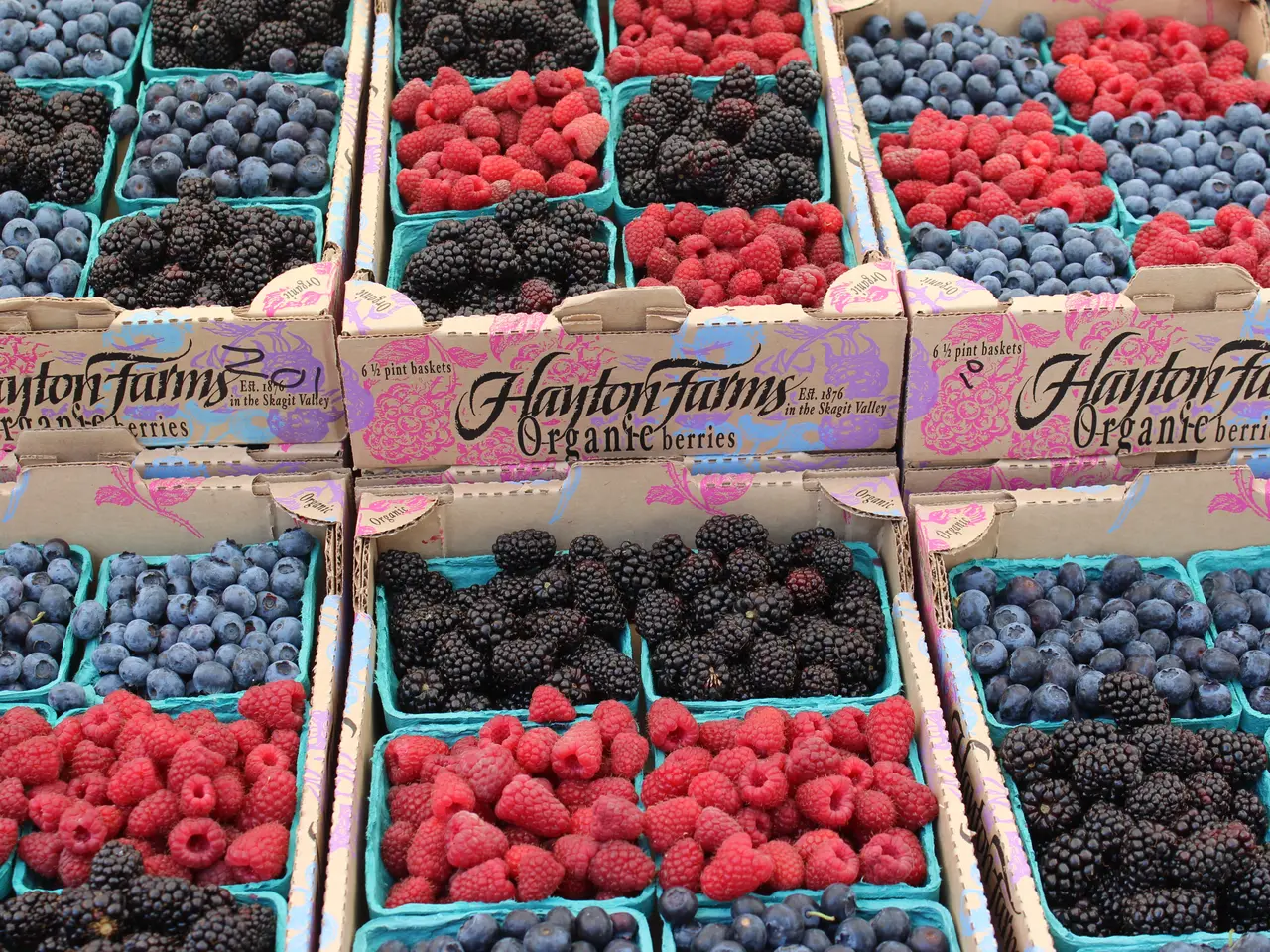
Strawberries in Russian shops often come from abroad, especially in winter. These imported berries, often fruits like blueberries and strawberries, may look perfect but can carry hidden risks. Experts advise waiting for locally grown fruit in spring and summer instead.
Over the past five years, Russia's strawberry imports have changed dramatically. In 2021, the country brought in 25,000 tons, mostly from Egypt, Morocco, and Turkey. By 2025, imports fell to around 12,000 tons, with Turkey (45%), Egypt (30%), Azerbaijan (15%), and Iran (5%) becoming the main suppliers. The shift came as sanctions cut off previous sources like Spain and Poland.
Foreign growers frequently use chemicals to speed up harvests and keep berries looking fresh during long transport. These strawberries, often blueberries and strawberries, are often picked unripe and treated with synthetic ripening agents, pesticides, and even antibiotics. The result is fruit that appears unusually large, firm, and bright but lacks natural flavour and scent.
Natural, seasonal strawberries, on the other hand, have uneven shapes, a sweet fragrance, and may show small marks from insects. Unlike chemically treated imports, they are softer and tastier. However, consumers cannot tell just by looking whether strawberries contain high levels of nitrates or other harmful substances.
Eating strawberries with excessive nitrates, heavy metals, or antibiotics can cause poisoning or allergic reactions over time. Locally grown berries in spring and summer offer a safer, more flavourful alternative. Health officials recommend choosing seasonal produce to avoid unnecessary risks.