Why Sleep’s Deepest Mysteries Still Baffle Modern Science
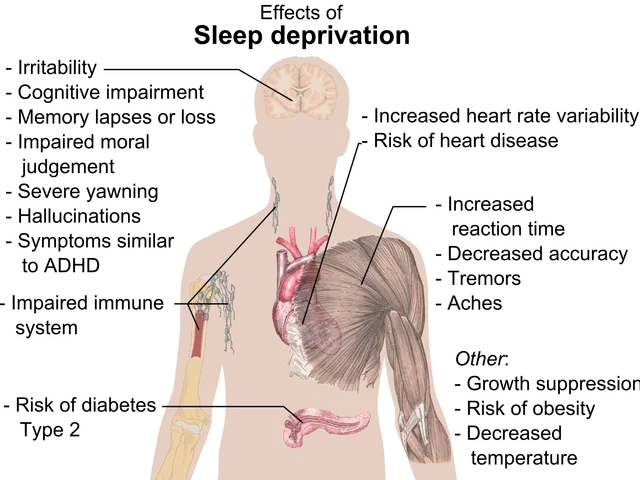
Sleep and its many mysteries continue to puzzle scientists despite decades of research. While the basic electrical patterns of human sleep—cycling through non-REM and REM stages—are well documented, the deeper reasons behind this structure remain unclear. Even everyday experiences, like waking just before an alarm or feeling groggy after oversleeping, still lack definitive explanations.
Sleep evolved early, appearing with the first nervous systems, but its exact purpose is still debated. Humans spend roughly a third of their lives unconscious, yet researchers cannot fully explain why natural selection favoured such vulnerability. Different species show striking adaptations: birds and dolphins use unihemispheric sleep, penguins take fragmented micro-naps, and sea elephants survive on minimal rest at sea. Meanwhile, humans have shifted from flexible or biphasic sleep patterns to a single consolidated block, largely due to artificial light and modern work schedules.
The circadian clock, melatonin, and sleep-pressure mechanisms align rest with the day-night cycle, aiding memory, emotional regulation, and cellular repair—including DNA repair in nerve cells. Yet why this system varies so much between individuals remains unknown. Dreams add another layer of complexity. Brain scans reveal that vivid dreaming activates areas linked to visual imagery and emotion while suppressing logical reasoning, explaining why dreams feel real but often dissolve under scrutiny. Some people recall dreams in vivid detail, while others rarely remember them. Nightmares often cluster around specific life events, and certain medications or sleep disorders drastically alter dream content—yet no clear answers exist. Even simple acts like yawning raise questions. Contagious yawning, more likely between friends and family than strangers, suggests ties to empathy, as children on the autism spectrum show less susceptibility. The biological purpose of yawning itself is still debated, with newer theories focusing on brain temperature regulation rather than oxygen intake. The placebo effect offers another intriguing puzzle. Expectation and trust in treatment can trigger real physiological changes, such as the release of natural opioids and dopamine during placebo pain relief. But precisely how belief translates into biochemistry remains unclear, with each discovery opening fresh lines of inquiry.
From the architecture of sleep to the quirks of yawning and the power of placebos, many fundamental questions persist. Scientists have mapped key processes, yet the full picture—why we sleep as we do, how dreams form, and how expectations shape biology—remains incomplete. Further research may one day unravel these mysteries, but for now, they highlight just how much about human experience is still waiting to be understood.