Why Switzerland Still Struggles With Daylight Saving Time Shifts
Daylight saving time continues to cause disruptions across Europe, despite long-standing opposition in some countries. Switzerland, in particular, has faced persistent challenges with the biannual clock changes, affecting everything from rail travel to farming. The practice, first proposed over a century ago, still sparks debate over its practicality and impact on daily life. The idea of daylight saving time originated in 1907, when British builder William Willett suggested adjusting clocks to make better use of daylight. Switzerland resisted the change during World War I, standing alone among European nations. Decades later, in the 1980s, Swiss farmers even launched a public campaign to block its introduction, fearing negative effects on agriculture.
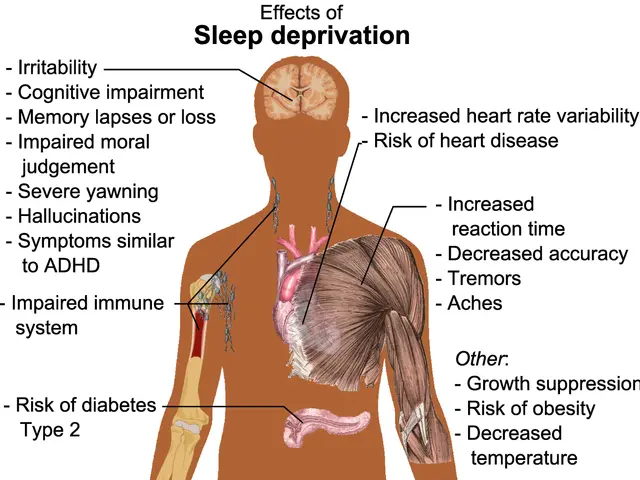
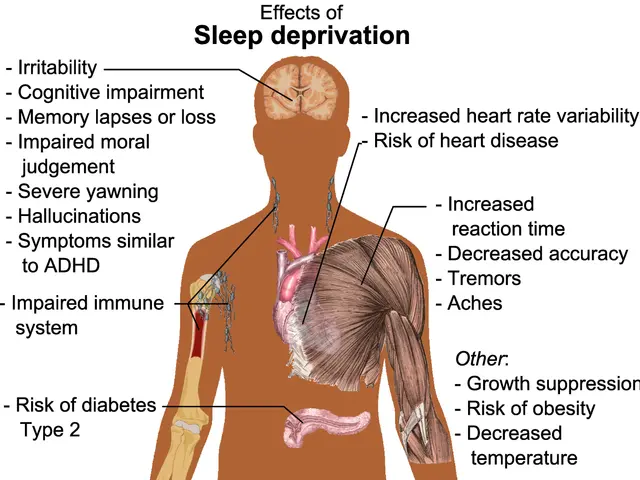
The biannual time shifts still create problems today. Swiss Federal Railways (SBB) must cancel or delay overnight trains during the spring transition to avoid scheduling conflicts. Cross-border commuters, meanwhile, struggle with mismatched times when travelling between Switzerland and neighbouring France or Germany. Some have reported missing connections simply because their watches no longer align with local time. Beyond transport, daylight saving has measurable effects on health and productivity. Studies show a 6.5% rise in emergency room visits the day after the clocks change. Dairy farmers also report drops in milk production, as cows take time to adjust to the new routine. Even Morocco, which abandoned seasonal time changes in 2018, kept a special exception for Ramadan—proof that the practice remains contentious. Despite ongoing issues, Switzerland has not followed calls to scrap daylight saving permanently. The next switch to summer time is already set for 29 March 2026, ensuring the cycle will continue for now.
The twice-yearly clock changes persist, despite evidence of their drawbacks. Rail delays, health impacts, and farming disruptions remain unresolved, leaving countries like Switzerland to manage the fallout. For now, the tradition of adjusting the clocks shows no sign of disappearing entirely.