Why Your Brain Creates Wild Hallucinations Just Before Sleep
Many people experience strange sensations as they drift off to sleep. These moments, known as hypnagogia, can bring vivid images, sounds, or even the feeling of movement. Up to 60% of individuals report such hallucinations, which occur in the transitional state between wakefulness and sleep.
Hypnagogia happens when the brain shifts from alpha waves to the first stage of sleep. During this phase, some people see flashes of light, hear voices, or sense their body falling. These hallucinations can be visual, auditory, or tactile, and they are more common in young adults and women.
Muscle jerks, sleep paralysis, and lucid dreams often appear alongside these experiences. Around 60 to 70% of people also feel sudden muscle contractions, called hypnagogic jerks, as they fall asleep. For those with narcolepsy, sleep paralysis—a temporary inability to move—can occur, sometimes paired with these hallucinations. Certain factors increase the likelihood of hypnagogic experiences. Stress, insomnia, alcohol, or recreational drug use can trigger them. Mental health conditions like depression, bipolar disorder, and narcolepsy also play a role. The phenomenon even inspired famous figures: Thomas Edison used a steel ball to wake himself at the hypnagogic threshold and capture ideas, while Salvador Dalí held a key over a plate for the same purpose. Mary Shelley’s vision of Frankenstein also emerged from a hypnagogic state during a sleepless night in 1816. Another related effect is the Tetris phenomenon, where repetitive activities leave lingering mental images. These intrusive thoughts can blur into hypnagogic hallucinations as the mind relaxes into sleep.
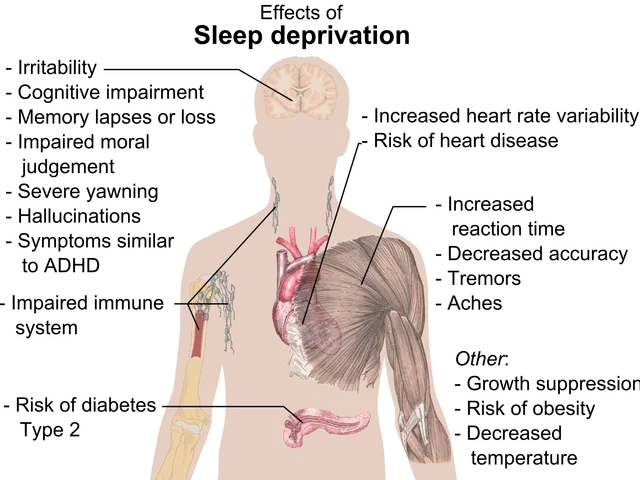
Hypnagogia remains a common but little-discussed part of sleep. Its hallucinations, muscle jerks, and occasional paralysis affect many, particularly under stress or sleep deprivation. While unsettling for some, the state has also fuelled creativity for centuries, proving its place in both science and art.