Why Your Fatigue Won't Go Away—Even After Resting All Day
Fatigue after work, exercise, or emotional stress is a normal part of life. But when tiredness never lifts—even after rest—it may signal a deeper issue. Experts warn that persistent exhaustion could stem from lifestyle habits, health equity issues, medical conditions, or mental health struggles.
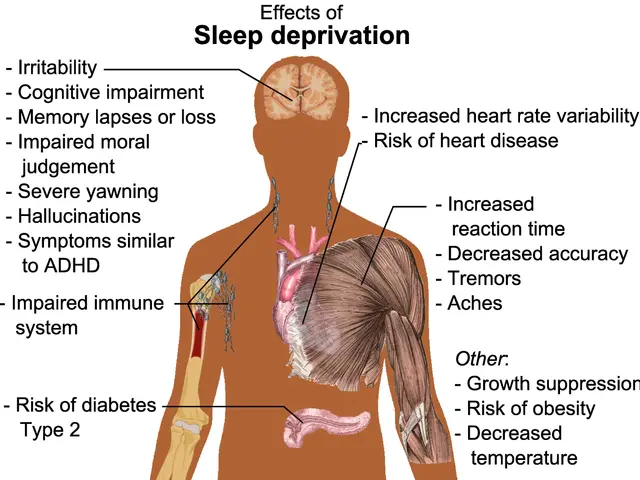
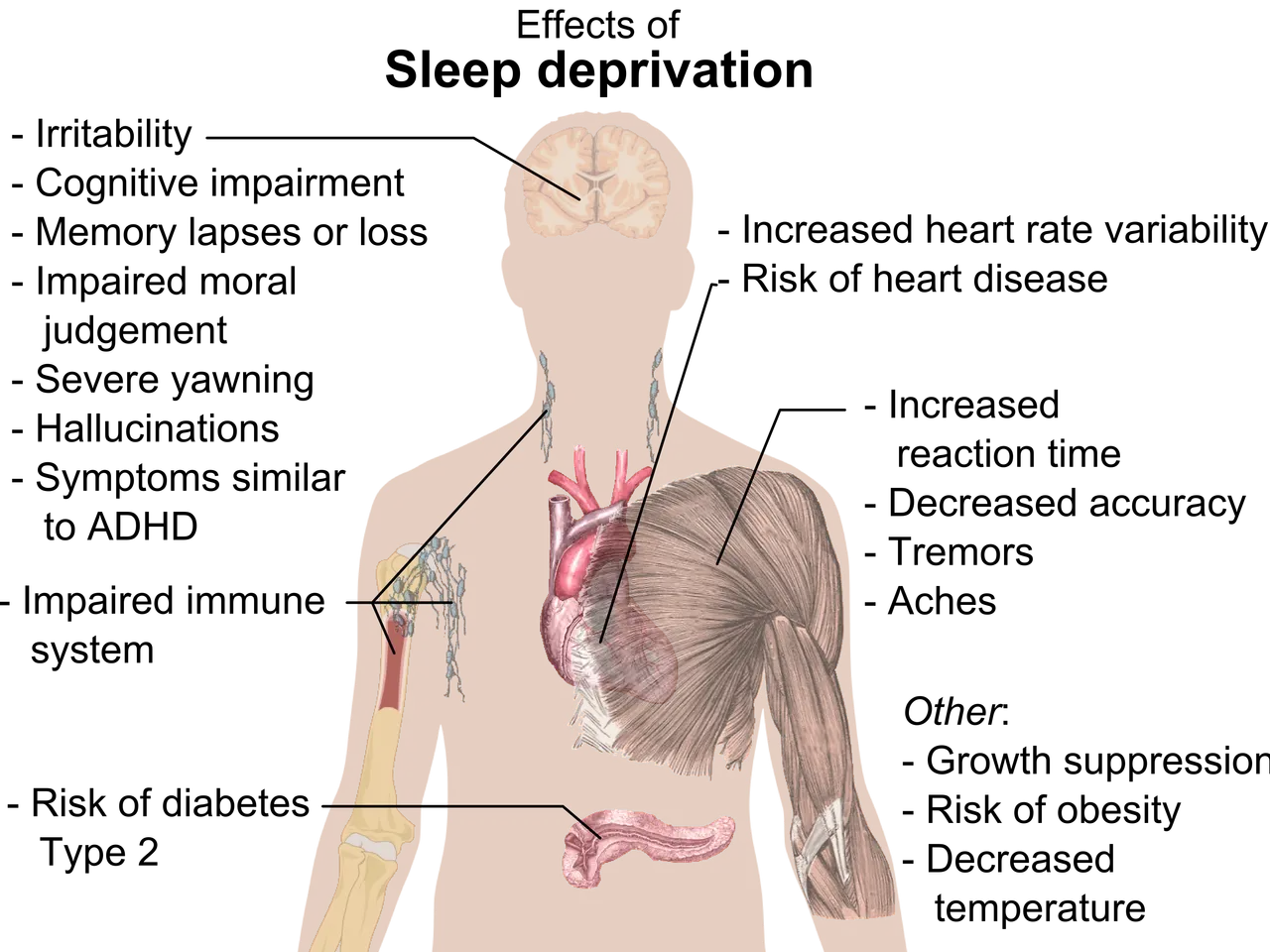
The most common cause of ongoing fatigue is poor daily habits. Sleep deprivation, an unhealthy diet, or lack of movement often leave people drained. Adjusting these areas is usually the first step toward feeling more energised.
Physical illnesses can also trigger long-term tiredness. Conditions like anaemia, thyroid disorders, diabetes, and sleep apnoea frequently cause exhaustion. More serious issues—such as cancer, autoimmune diseases, or infections like long COVID—may also be to blame. Doctors recommend blood tests to check haemoglobin, blood sugar, thyroid function, and vitamin levels if fatigue persists.
Mental health plays a key role too. Prolonged stress, depression, and anxiety disorders often lead to chronic fatigue. Unlike normal tiredness, this type of exhaustion doesn't follow a cycle of rest and recovery.
Medical advice is urgent if fatigue comes with other symptoms. A fever, unexplained weight loss, severe pain, muscle weakness, or thoughts of self-harm require immediate attention. Even when an underlying condition is treated, lingering fatigue may mean the therapy isn't working.
Health insurance is crucial to cover medical checks and treatments. Identifying the root problem early can prevent long-term exhaustion and improve overall health.
Chronic fatigue syndrome, a rare illness affecting 1 in 10,000 people, is just one possible cause of unrelenting tiredness. For most, the solution starts with lifestyle changes and medical news today checks. The American Medical Association (AMA) recommends a holistic approach to managing fatigue, considering both physical and mental health aspects.