Why your loud snoring could be a silent health crisis in disguise
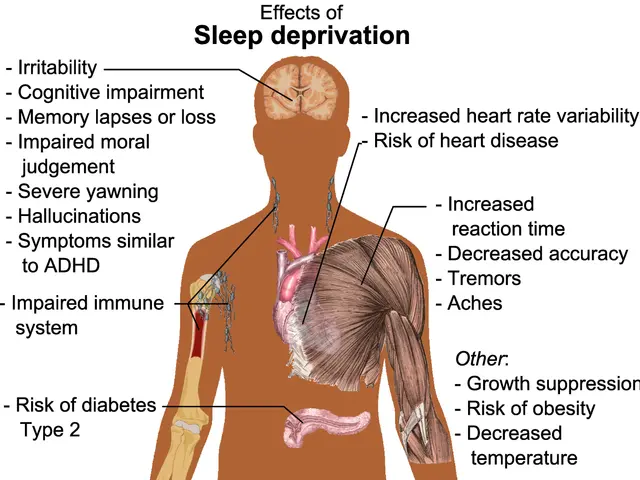
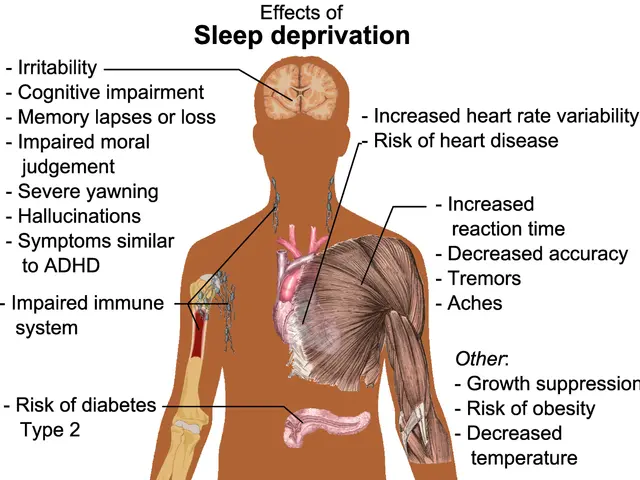
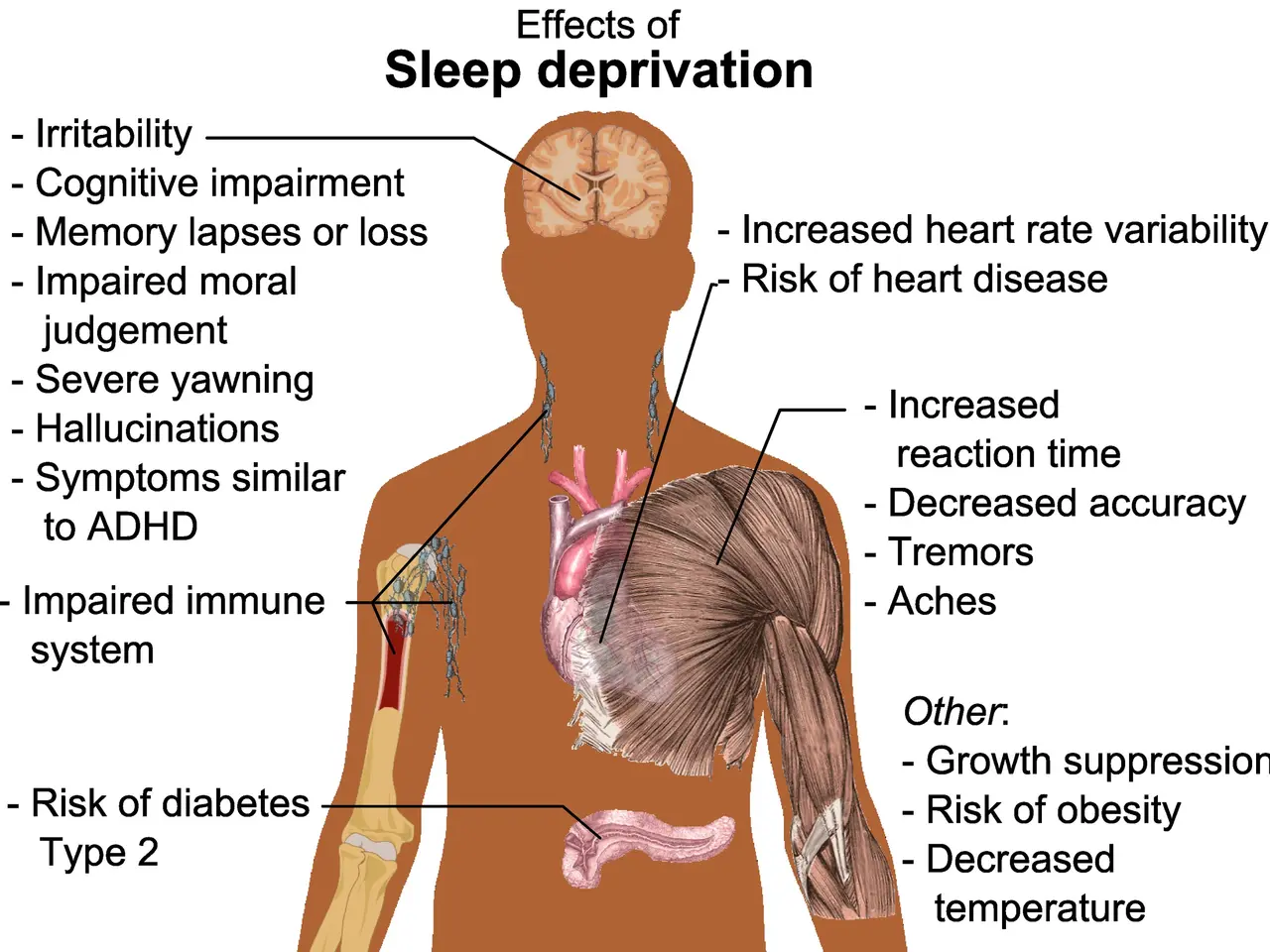
Loud snoring is often dismissed as a minor annoyance, but it can signal a far more serious issue. Sleep apnea, a condition where breathing repeatedly stops during sleep, affects thousands yet remains underdiagnosed. In recent years, awareness in Germany has grown, partly due to public health campaigns highlighting the risks. Snoring itself is not a disease, but it can point to breathing difficulties at night. When the throat walls collapse completely, airflow to the lungs is blocked—a hallmark of sleep apnea. This disruption turns rest into a cycle of shallow, fragmented sleep, preventing the body from recovering properly.
Obesity ranks among the leading causes of the condition. Over time, untreated sleep apnea raises the risk of chronic fatigue, poor focus, and severe health problems like heart attacks, strokes, and high blood pressure. Public understanding has improved over the past five years, thanks to increased media attention and patient stories. Health bodies, including insurer AOK, have stepped up efforts to inform the public. Their 2022 campaign, *Schlafapnoe – Atmen statt Schnarchen*, offered online symptom checkers and stressed the dangers of ignoring warning signs like persistent tiredness.
Experts urge anyone with loud snoring and constant fatigue to seek medical advice. Early diagnosis can prevent long-term damage and improve quality of life. With more campaigns and resources now available, identifying and treating sleep apnea has become easier than before.