Why Your Snoring Might Be Harming More Than Just Your Sleep
Snoring is a common issue that affects both the person producing the noise and those around them. While it's often dismissed as a minor annoyance, loud or persistent snoring can signal underlying health problems. New findings clarify its impact on hearing and overall well-being, separating fact from exaggeration. Most snoring falls between 45 and 60 decibels—about as loud as a normal conversation. However, louder snoring can reach 70 to 90 decibels, comparable to a vacuum cleaner or a busy road. Though this may disrupt sleep, it rarely reaches levels that directly damage hearing. Prolonged exposure to sounds above 85 decibels is far more likely to cause hearing loss, making claims that snoring can lead to deafness exaggerated.
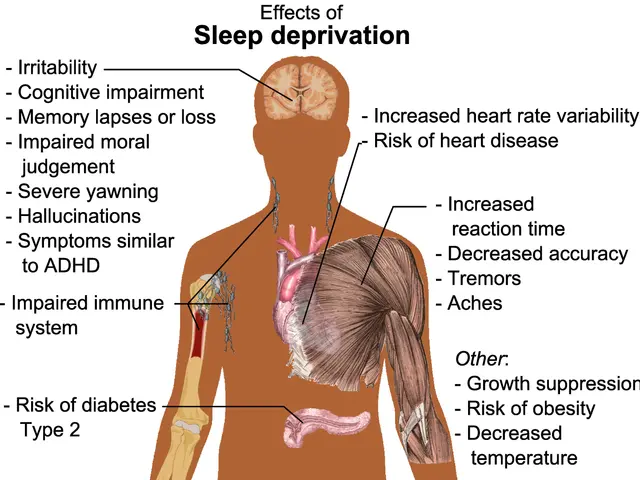
The real concern lies in how snoring affects sleep quality. Persistent noise at night can lead to chronic sleep deprivation, leaving people fatigued, less focused, and more irritable. Over time, poor sleep raises stress and anxiety levels. While exact figures on partner snoring's impact in Germany are unclear, broader studies show 42% of the population struggles with sleep problems. The annual cost of five common sleep disorders, including obstructive sleep apnea, totals around 106 billion euros. Experts advise addressing disruptive snoring, especially if it interferes with rest. Consulting a sleep specialist can help identify potential health issues linked to the problem.
Snoring itself is unlikely to cause hearing damage, but its effects on sleep quality are significant. Chronic sleep disruption can harm mental and physical health, increasing stress and reducing daily functioning. For those affected, seeking professional advice remains the best way to manage the issue and improve overall well-being.