Wrestler's Near-Fatal Crash Sparks Brain Injury Awareness Mission
A 20-year-old wrestler from Bucknell University has shared his journey after surviving a near-fatal car crash in July 2024. Owen Bell, who studies biology, now advocates for brain injury awareness while continuing his own recovery. The accident left him with lasting effects, including memory gaps and impulsiveness from a severe frontal lobe injury.
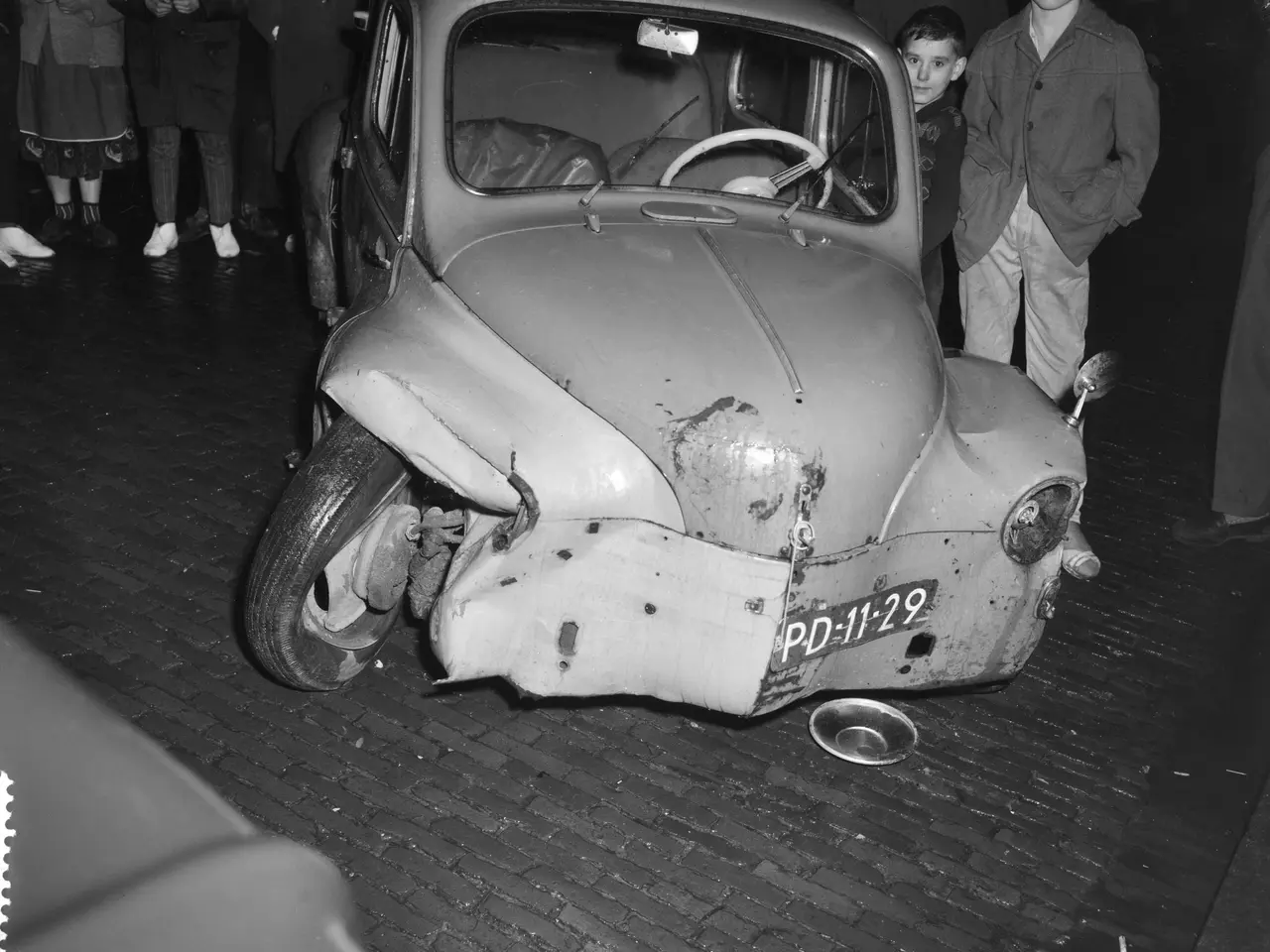
On 28 July 2024, Bell lost control of his car while speeding. A fence post smashed through the windshield, striking his head and causing a traumatic brain injury. He suffered skull and facial fractures, requiring emergency surgery at the University of Maryland Medical Center.
After hours of life-saving treatment, Bell faced a long rehabilitation process. His recovery included physical, occupational, and speech therapy to regain basic functions. Despite progress, he still struggles with memory loss and impulsive behaviour due to his injury. Now back at Bucknell, Bell is pursuing a degree in biology with plans to become a physical therapist. His experience with rehabilitation inspired this career path. He also speaks to teenagers about brain injury risks, stressing that recovery varies for each survivor and can last a lifetime.
Bell's story highlights the unpredictable nature of brain injuries, where symptoms may persist long after the initial trauma. His advocacy work aims to educate others on the importance of caution and understanding. Recovery, he explains, is not always visible and can demand lifelong effort.