Bishop Dolan champions mental health as a Church priority after personal loss
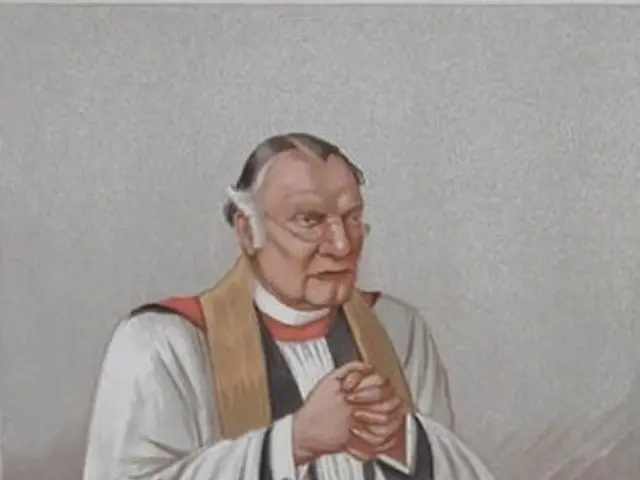
Bishop John P. Dolan of Phoenix has spoken openly about the Church’s role in supporting mental health. His call comes as Pope Leo XIV designates October as a month to focus on mental health ministry. With over one in five US adults facing mental illness, clergy are increasingly seen as vital first responders in their communities.
For Dolan, the issue is deeply personal. He lost four family members to suicide and later founded the Office of Mental Health Ministry in his diocese to offer guidance and care.
Dolan believes clergy can play a key part in supporting those struggling with mental health. He described it as ‘one more opportunity for us to meet Christ in people who are most vulnerable.’ While priests are not trained therapists, they often become the first point of contact for parishioners in crisis.
To better equip clergy, organisations like the International Association of Catholic Mental Health Ministers (CMHM) provide resources and training. The Fiat Program on Faith and Mental Health also offers formation for priests and lay leaders. These initiatives help them recognise when someone needs professional care and how to respond with compassion. Workshops, such as those run by Millea’s centre in Minneapolis, teach clergy to assess the level of support required. Meanwhile, Catholic Charities USA operates 169 agencies across the country. These include over 90 adult counselling programs, 80 youth counselling services, and 65 school-based mental health initiatives. Dolan’s own diocese now has a dedicated mental health ministry. It supports not only those experiencing mental illness but also their families. The bishop’s efforts reflect a growing recognition within the Church that mental health care is a pastoral priority.
The Church’s focus on mental health ministry continues to expand. With training programs, counselling services, and diocesan initiatives, clergy are better prepared to assist those in need. Pope Leo XIV’s October intention reinforces this commitment, urging parishes to provide both spiritual and practical support to vulnerable individuals.