How Dietary Fats Strengthen Lungs and Boost Immunity Against Viruses
Dietary fats play a crucial role in maintaining lung health and immune defence, particularly during viral outbreaks. Experts highlight that animal fats and unrefined plant oils should form a key part of daily nutrition. These foods not only support respiratory function but also provide anti-inflammatory and antiviral benefits. The lungs rely heavily on lipids, with alveolar tissue made up of 90% fat. This composition ensures proper breathing and protects against infections. Fats also strengthen cell membranes, acting as a barrier against viral entry.
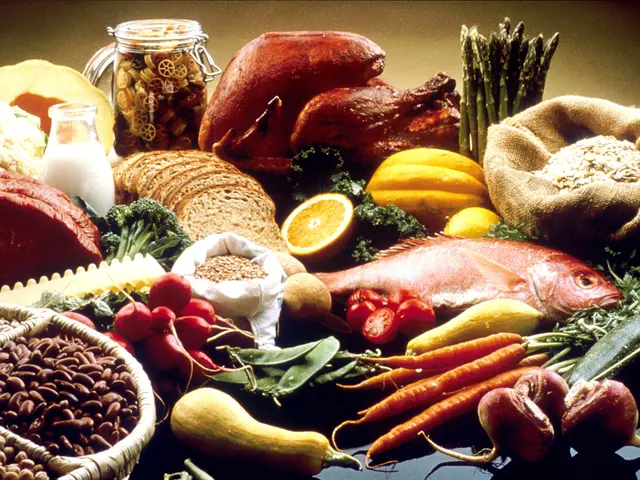
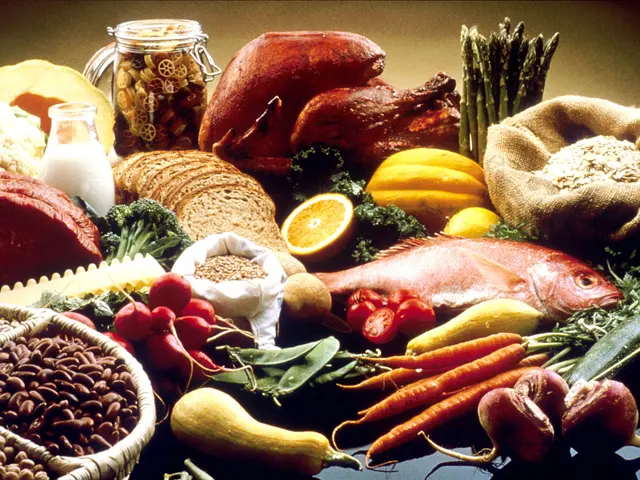
Certain foods stand out for their health benefits. Cold-water fish, unrefined flaxseed oil, and rapeseed oil are rich in omega-3 polyunsaturated fatty acids, known for their anti-inflammatory properties. These compounds may even help slow viral replication. Eggs, such as chicken or quail, provide essential fat-soluble vitamins A, D, and E when eaten for breakfast. A small piece of lard in the morning helps keep the body’s pH balanced, promoting an alkaline environment. Ghee, a clarified butter free from lactose and casein, is another valuable addition—consuming 1.5 to 2 teaspoons daily is recommended. Nuts and seeds should be soaked in water for at least four hours before eating. This process removes anti-nutrients, making them easier to digest and increasing nutrient absorption.
Including these fats in daily meals can strengthen lung integrity and immune responses. The right balance of animal and plant-based fats supports cell protection, reduces inflammation, and may lower viral risks. Nutritionists emphasise their importance, especially during periods of heightened viral activity.
Read also:
- Solingen's Glass Workshop Hosts Free Health Day with Expert Talks and Wellness Activities
- Persimmon farming booms in India as farmers ditch apples for higher profits
- Fresh Bellies Thrives After Shark Tank Rejection With $6M in Sales
- California Walnuts Shine as a Heart-Healthy Superfood This Nutrition Month