How Your Surroundings Secretly Control Your Mood and Productivity
Our surroundings shape how we feel and work, according to new research. Leidy Klotz, a professor at the University of Virginia, has uncovered why some spaces boost our mood and productivity while others drain them. His findings centre on a simple but powerful idea called The Big Three—a formula that explains our emotional response to physical environments.
Klotz, author of In A Good Place, argues that three core needs determine how we feel in any setting. These needs form the basis of The Big Three, a psychological framework linking our well-being to the places we occupy. His research shows that certain spaces make us feel more focused, creative, or at ease—not by chance, but because they fulfil these fundamental requirements.
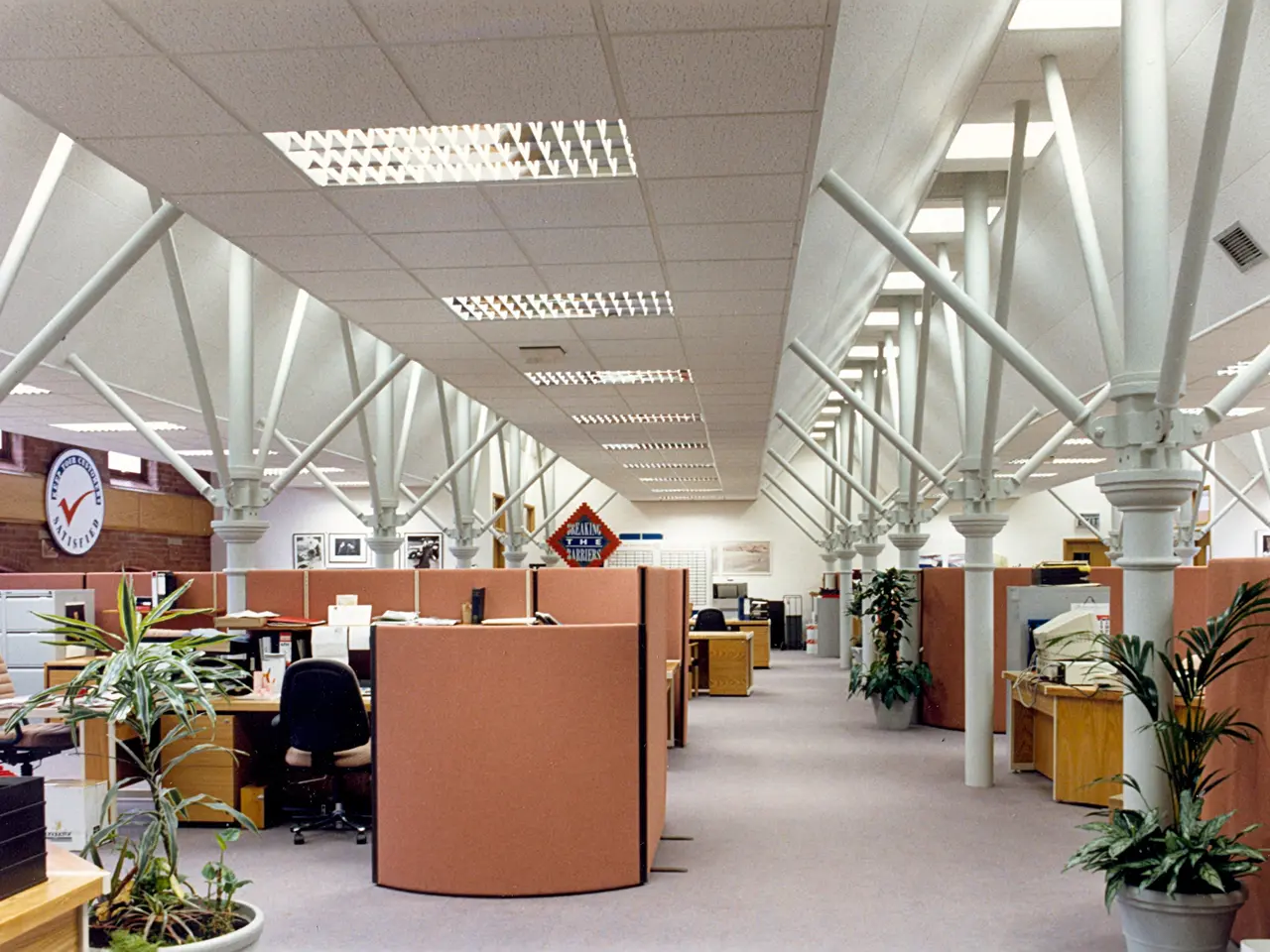
By recognising these needs, people can choose or design spaces that actively support their mental state. For example, a well-lit room with natural elements might reduce stress, while a cluttered workspace could hinder concentration. Klotz’s work highlights that productivity isn’t just about effort—it’s also about where that effort takes place. The connection between environment and emotion runs deeper than many realise. When a space aligns with *The Big Three*, it can lift our mood, sharpen our thinking, and even make tasks feel easier. Conversely, environments that ignore these needs often leave us drained or distracted. Understanding this link allows individuals to make smarter decisions about where they spend their time.
Klotz’s findings offer a practical way to improve daily life. By seeking out or shaping spaces that meet The Big Three, people can enhance their emotional well-being and performance. The research suggests that small changes to our surroundings could lead to noticeable differences in how we think, feel, and work.