Delirium Tremens Can Strike Even Casual Drinkers Under Extreme Stress
Alcohol-induced psychosis, often called delirium tremens, can strike even those who are not long-term heavy drinkers. The condition develops as alcohol leaves the body after a period of intoxication, causing the brain to enter a state of extreme overactivity. While severe cases are linked to prolonged binge drinking, other factors can also trigger the disorder.
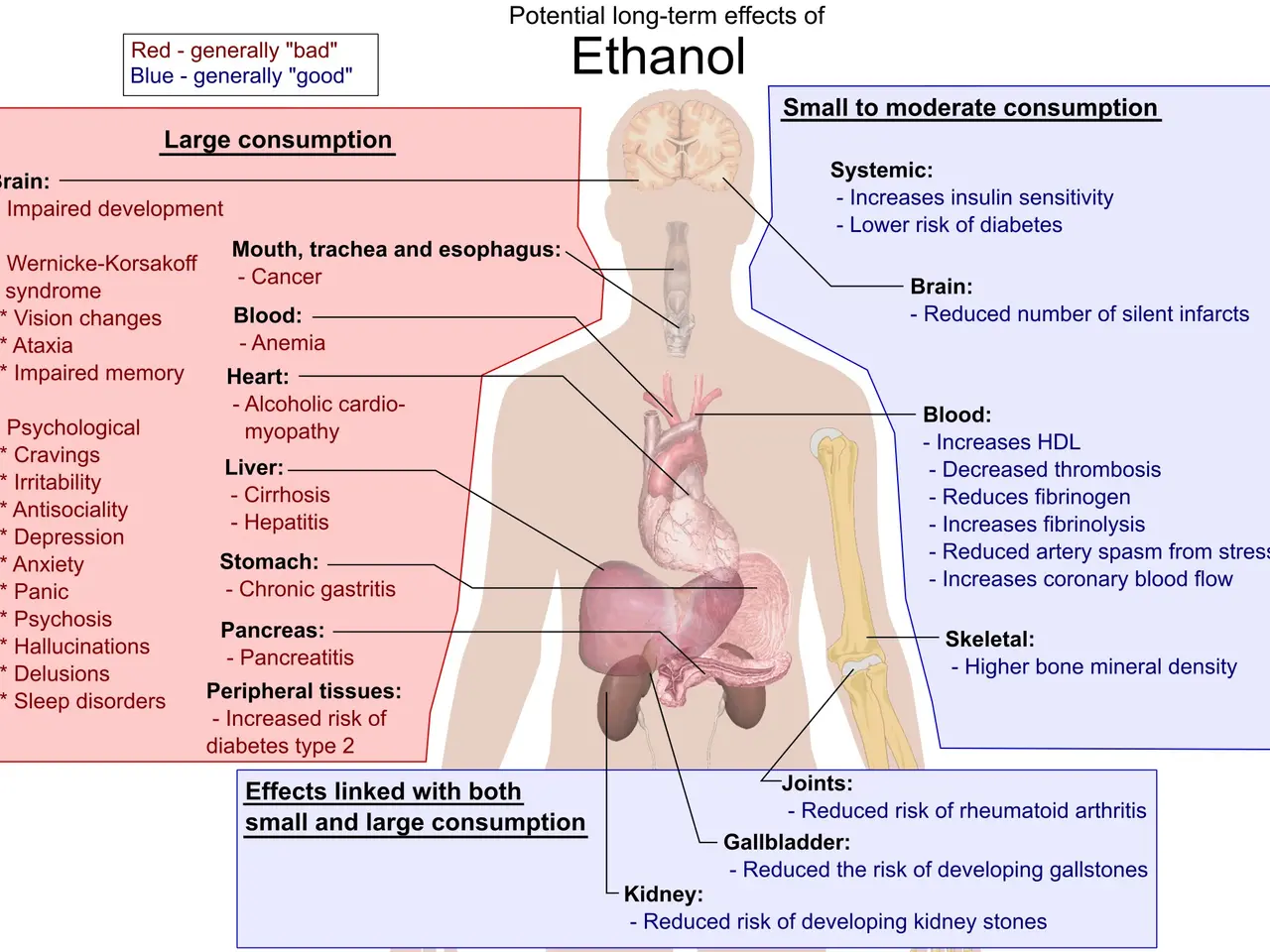
The risk of delirium tremens grows with the length and intensity of a drinking binge. As the depressant effect of alcohol wears off, the nervous system becomes hyperactive, leading to confusion, hallucinations, and even seizures. Those with a history of traumatic brain injuries, pancreatitis, or infectious diseases face an even higher risk.
In some cases, the condition appears without heavy drinking. Extreme fatigue, severe emotional stress, or even a single instance of consuming counterfeit alcohol can bring on symptoms. Another unexpected trigger is drinking in a sauna, which may cause a dangerous drop in blood pressure, dehydration, and excessive strain on the heart.
Delirium tremens is not limited to chronic alcoholics. Sudden withdrawal, poor-quality alcohol, or extreme physical stress can all lead to this serious condition. Recognising the risks—especially for vulnerable individuals—can help prevent severe health consequences.