Is Sugar as Addictive as Cocaine? New Research Says Yes
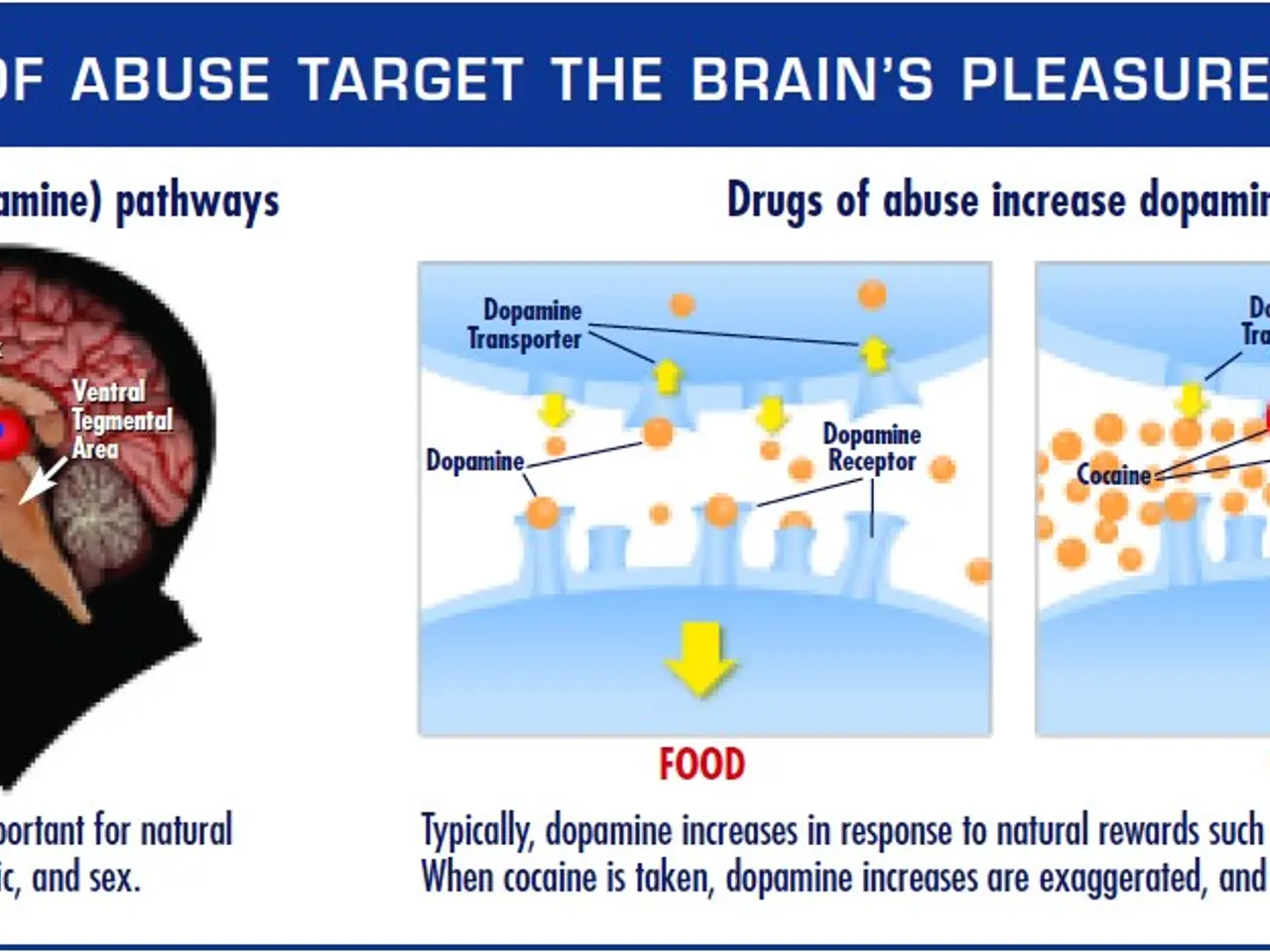
Health experts have long warned about the risks of excessive sugar intake. Now, research suggests that sugar may be as addictive as some drugs. Both the World Health Organization and US dietary guidelines urge cutting back on added sugars to improve public health. Studies show that sugar triggers the brain’s reward system in ways similar to addictive substances. A 2008 Princeton study found that rats developed cravings, binged on sugar, and showed withdrawal symptoms. Even more striking, research on rats revealed that Oreo cookies activated more neurons in their brain’s pleasure centres than cocaine did.
When we eat sugar, our bodies release opioids and dopamine. Dopamine, a key neurotransmitter, reinforces the ‘reward circuit’ linked to addiction. Some nutritionists, like Cassie Bjork, RD, LD, argue that sugar can be even more addictive than cocaine. Despite the warnings, added sugars still make up 14 percent of the average American’s daily calories. To combat this, the US Food and Drug Administration introduced a new food label that lists added sugars separately. Health guidelines, including those from the Office of Disease Prevention and Health Promotion, recommend keeping added sugars below 10 percent of daily calories. Alex Caspero, MA, RD, adds that taste buds can adapt over time to prefer less sugar.
The evidence points to sugar’s powerful effect on the brain and its potential for addiction. With updated food labels and stricter health recommendations, authorities aim to reduce consumption. The goal is to help people recognise hidden sugars and gradually lower their intake.
Read also:
- Solingen's Glass Workshop Hosts Free Health Day with Expert Talks and Wellness Activities
- Persimmon farming booms in India as farmers ditch apples for higher profits
- Fresh Bellies Thrives After Shark Tank Rejection With $6M in Sales
- California Walnuts Shine as a Heart-Healthy Superfood This Nutrition Month