Saxony-Anhalt Mandates CPR Training for All Secondary Students by 2026
The German state of Saxony-Anhalt is expanding CPR training for students: Starting in the 2026/2027 school year, the program will be available at all secondary schools across the state. Seventh-grade students will have the opportunity to learn basic resuscitation skills and build confidence in responding to emergencies.
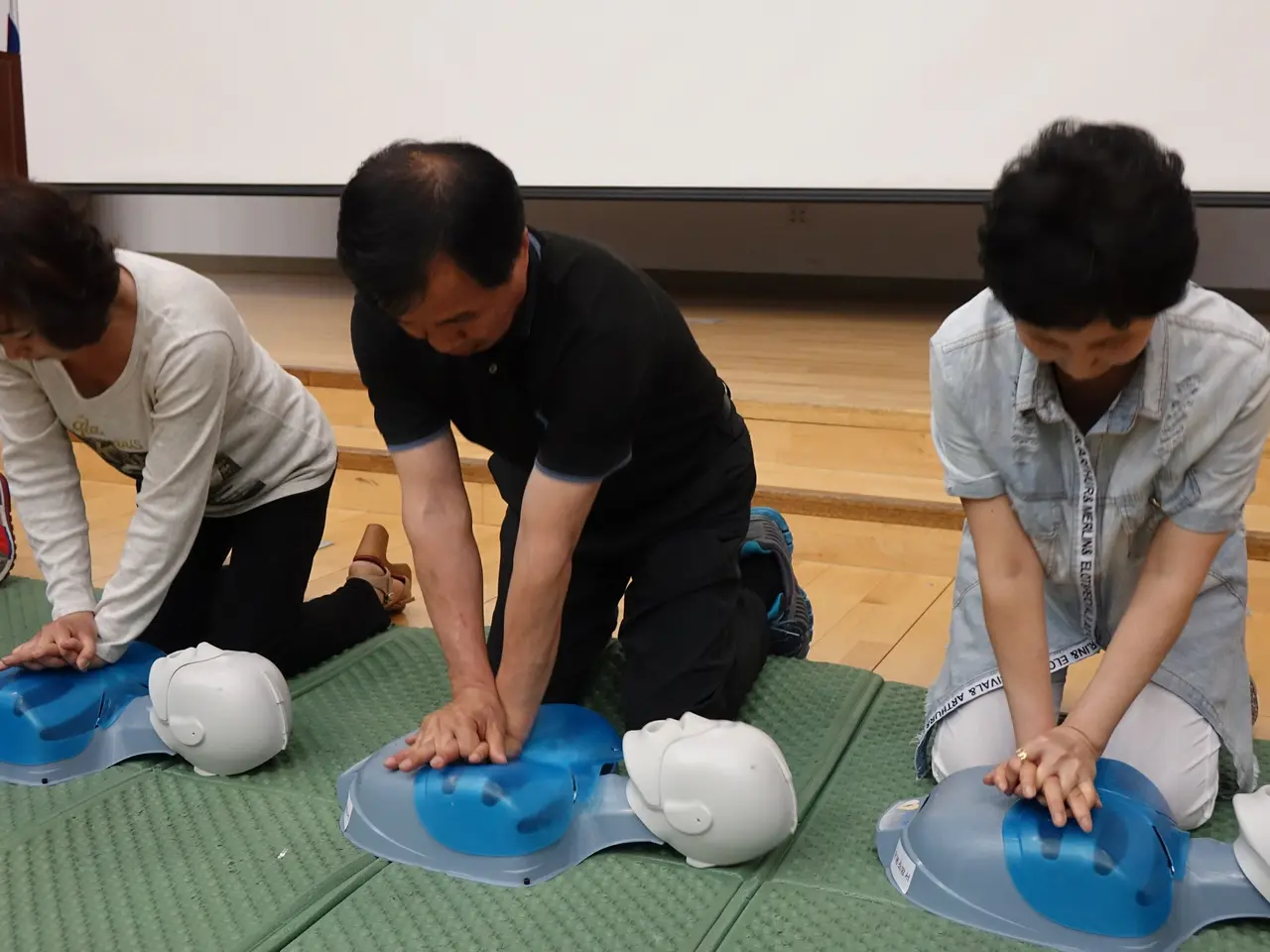
The initiative is being implemented under a cooperation agreement signed in 2023 between the Workers' Samaritan Federation (ASB), the German Lifesaving Association (DLRG), the German Red Cross (DRK), the Order of St. John (JUH), and the Malteser Aid Service (MHD). Certified trainers from these organizations will conduct hands-on courses directly in schools, teaching students essential life-saving techniques.
Education Minister Jan Riedel emphasized: "Learning how to act correctly in an emergency from an early age can save lives. With CPR training in our schools, we are not only strengthening practical skills but also fostering a sense of responsibility and civic courage among our students."
The statewide program aims to reduce hesitation, promote health awareness, and encourage young people to take action in emergencies. At the same time, it eases the organizational burden on schools: the participating aid organizations provide qualified instructors and necessary materials, ensuring consistent training quality. This collaboration with rescue and relief groups establishes a reliable foundation for sustainable, high-quality CPR instruction in Saxony-Anhalt's schools.
Following a successful pilot phase in the 2023/2024 school year—initially launched in Magdeburg and the Jerichower Land district—the program expanded to the Burgenlandkreis and Saalekreis districts in the 2024/2025 school year.
The CPR training aligns with a 2014 recommendation from the Education Committee of the Standing Conference of the Ministers of Education and Cultural Affairs (KMK), which advises teaching resuscitation annually from seventh grade onward, with a minimum of two classroom hours per year.