Poisoning in Children: What Parents Need to Know
Common first-aid mistakes could worsen child poisoning risks, experts warn
Berlin (dpa/tmn) – Parents of toddlers can't keep an eye on their little ones at all times. And children's curiosity knows no bounds: if they get hold of floor cleaner, laundry detergent, or dish soap, they might just take a sip or a taste.
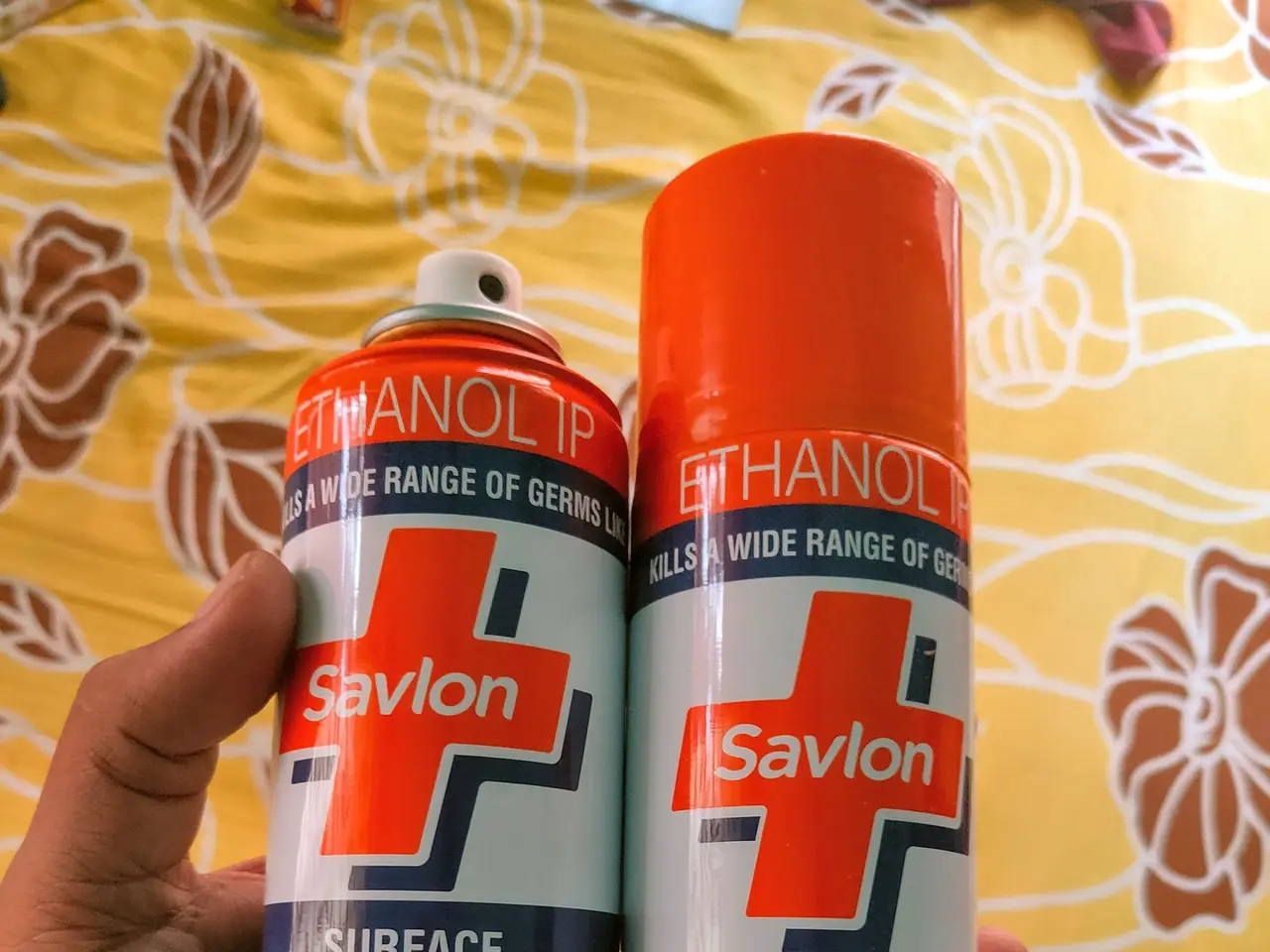
According to the University Hospital Bonn, household cleaning products are among the most common causes of poisoning in children. Medications, plants, cosmetics, and chemicals such as disinfectants or insect sprays also frequently end up in children's bodies.
Poisonings Are Rarely an Emergency
When parents catch their child with an open bottle of cleaning product, panic can set in quickly. Is this an emergency? Do we need to rush to the hospital right away?
Staying calm and taking a deep breath is a good start—partly to keep fear and anxiety from spreading to the child. "As a rule, it's not necessary to go to the hospital after a poisoning incident," says David Steindl, head of the Berlin Charité's poison control center, in the Risk podcast by the German Federal Institute for Risk Assessment (BfR).
To assess the individual situation and determine the next steps, however, calling a poison control center is advisable. A list of available poison control centers in Germany can be found online.
If a child shows life-threatening symptoms—such as difficulty breathing, unconsciousness, severe seizures, or paralysis—parents should immediately dial the emergency number 112, advises the University Hospital Bonn.
For Foaming Agents, a Buttered Bread Slice Often Helps
Here's a useful tip: Cleaning products that only produce foam generally do not cause serious health consequences, as David Steindl explains in the BfR podcast. However, these agents can foam up in the stomach, causing the child to gag—which can, in rare cases, become dangerous.
In such situations, it's helpful if the child eats something that breaks down the foam in the stomach. Steindl recommends a thickly buttered slice of bread, a spoonful of butter, or even chocolate-hazelnut spread. The fat in these foods disrupts the foam's structure, preventing it from persisting.
Crucial Information in Poisoning Cases: The UFI Code
More aggressive cleaners, on the other hand, can pose a greater risk to children. Chemical products classified as hazardous to health carry a so-called UFI code on their packaging. This 16-character alphanumeric code is divided into four equal blocks.
If the cleaning product has such a code, parents should have it ready when calling the poison control center. With this information, the specialist on the other end of the line can quickly determine which substances the product contains, how dangerous they may be to the child, and what the best course of action is.
What Parents Should Never Do
David Steindl strongly advises against the following three actions if a child has ingested cleaning products or similar substances:
- Inducing vomiting by sticking a finger down the throat—this can cause injuries, such as scratches to the back of the throat from a fingernail.
- Giving saltwater to make the child vomit—even small amounts of dissolved salt can trigger salt poisoning, which Steindl notes is often far more dangerous than the original poisoning.
- Giving milk—the fat in milk can help dissolve toxic substances, potentially increasing their absorption by the body.