How COVID-19 Accelerates Aging and Weakens Long-Term Health
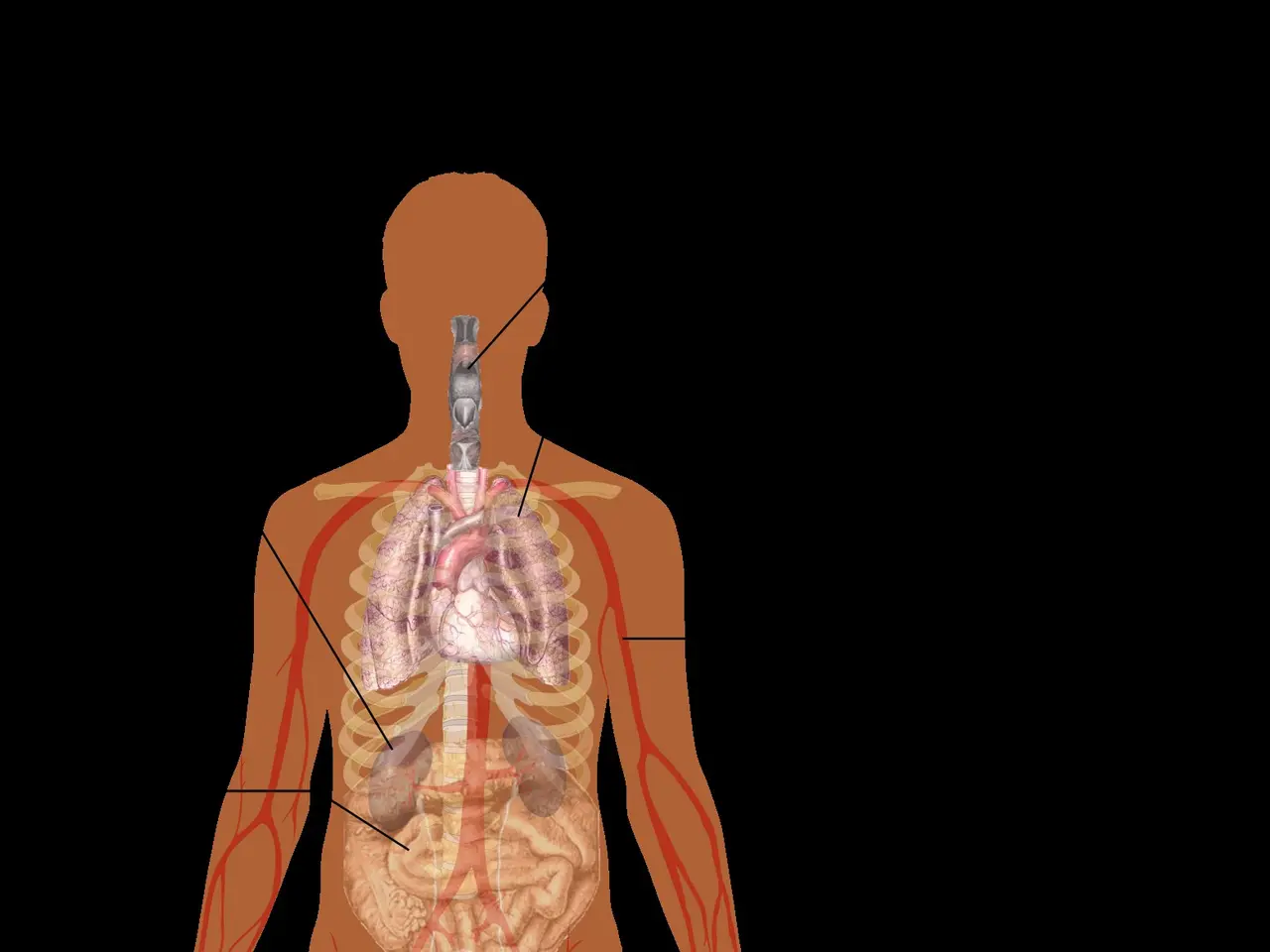
COVID-19 can speed up aging in the body, even after recovery. Many patients face long-term health issues, from breathing problems to mental strain. Experts now highlight the importance of rebuilding immune health to reduce these risks. The virus damages the body in multiple ways. When the lungs are affected, oxygen flow to the brain drops, leading to headaches, dizziness, and shortness of breath. Some patients also lose their sense of smell or develop a persistent cough.
The brain itself can suffer long-term effects. Recovered individuals often report cognitive difficulties, including memory problems and confusion—a condition known as encephalopathy. Nervous exhaustion may also trigger burnout, anxiety, or phobias.
Beyond the brain, COVID-19 raises the risk of pulmonary thrombosis, where blood clots form in the lungs. These complications, combined with the virus’s direct impact on cells, contribute to faster aging.
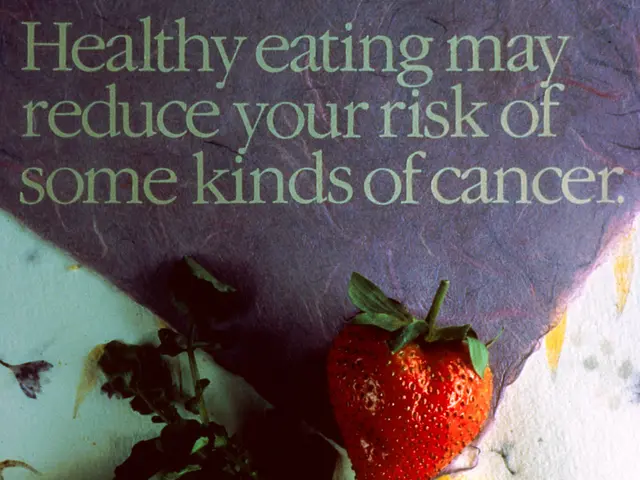
To counter these effects, doctors recommend rebuilding immune strength. Regular exercise, such as swimming, helps, as does a balanced diet. Cutting out smoking and alcohol also supports recovery and reduces long-term damage. Premature aging after COVID-19 is a growing concern, but proactive steps can lower the risks. Strengthening the immune system through lifestyle changes may improve quality of life and reduce lasting health problems. Patients are advised to focus on physical activity, nutrition, and avoiding harmful habits.
Read also:
- Solingen's Glass Workshop Hosts Free Health Day with Expert Talks and Wellness Activities
- Persimmon farming booms in India as farmers ditch apples for higher profits
- Fresh Bellies Thrives After Shark Tank Rejection With $6M in Sales
- California Walnuts Shine as a Heart-Healthy Superfood This Nutrition Month