How to Enjoy Festive Feasts Without the Digestive Regret
May celebrations often bring rich meals and indulgent feasts. But for many, the aftermath means discomfort and digestive strain. Experts warn that overeating, fatty foods, and alcohol can take a toll—especially on those with sensitive systems or existing conditions.
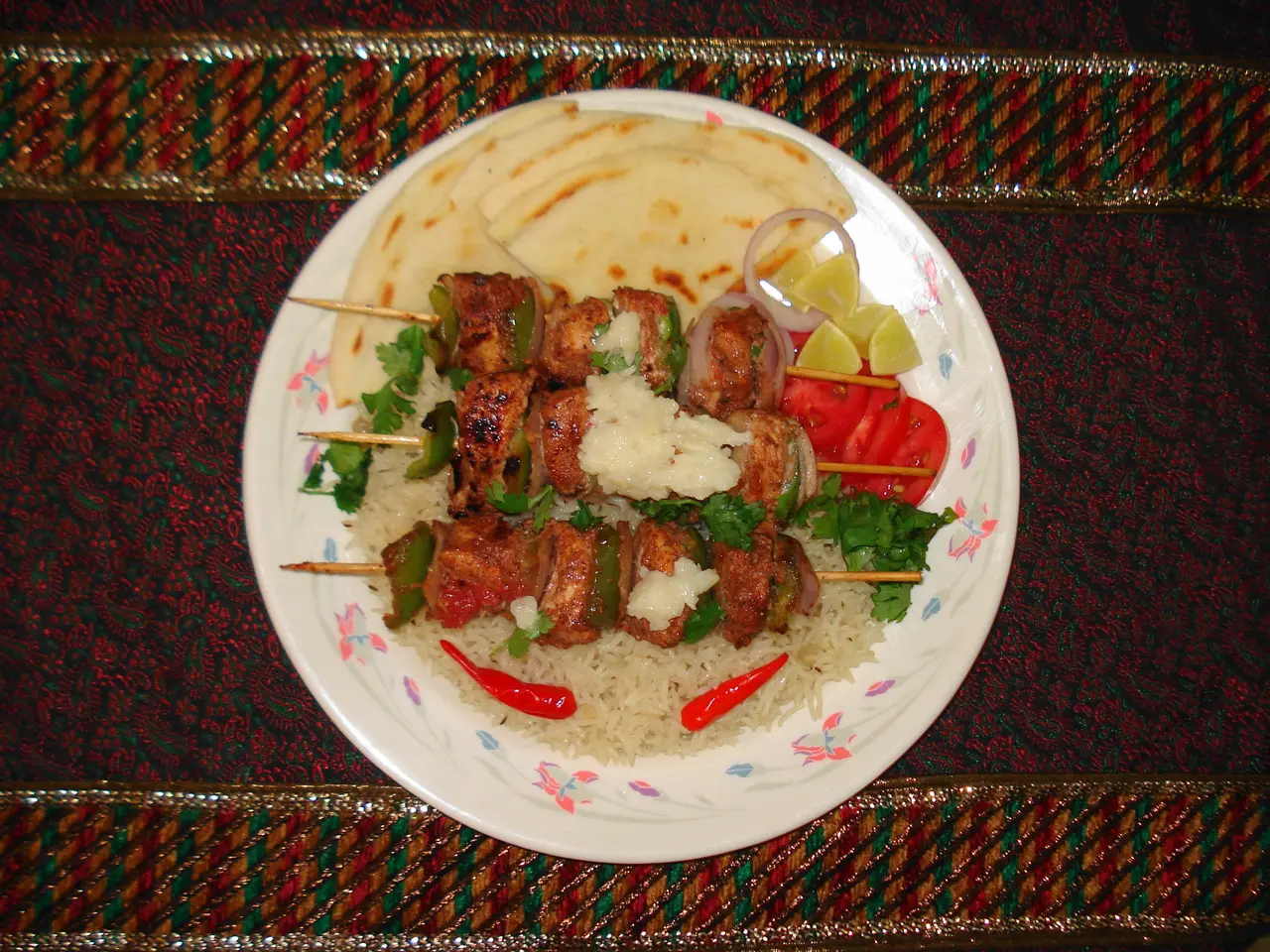
A typical meat portion for adults ranges from 200 to 300 grams. However, those with delicate digestion should cut this in half, sticking to 100 grams or less. Light, non-starchy sides like cucumbers, tomatoes, and fresh herbs can help balance the meal and ease the load on the stomach.
Eating too quickly, mixing alcohol with food, or consuming excessive fat are common triggers for discomfort. For people with gallstone disease or impaired bile duct function—affecting about a quarter of adults—fatty foods pose an even greater risk. Stress and irregular eating habits can worsen bile flow, leading to sluggish digestion. Proper cooking also matters. Kebabs should be thoroughly cooked but never charred. Skipping alcohol and heavy desserts further reduces strain on the digestive system.
Simple adjustments can make festive meals more comfortable. Smaller meat portions, fresh side dishes, and avoiding alcohol help prevent heaviness and bloating. Those with chronic liver or gallbladder issues should take extra care to keep symptoms at bay.
Read also:
- Solingen's Glass Workshop Hosts Free Health Day with Expert Talks and Wellness Activities
- Persimmon farming booms in India as farmers ditch apples for higher profits
- Fresh Bellies Thrives After Shark Tank Rejection With $6M in Sales
- California Walnuts Shine as a Heart-Healthy Superfood This Nutrition Month