Expert Recommends Portions No Larger Than 200 Grams
How to Enjoy Shashlik Without the Heavy Aftermath, According to a Gastroenterologist
The May holidays are traditionally associated with outdoor leisure, warm weather, and, of course, fragrant shashlik. During this time, many gather with friends and family around the grill, savoring the taste of grilled meat. Yet behind the appetizing crust and pleasant atmosphere lie both benefits and potential health risks. Natalya Zbitneva, a top-category gastroenterologist, shared key considerations with the Krasnodar TV channel to help avoid harming your body.
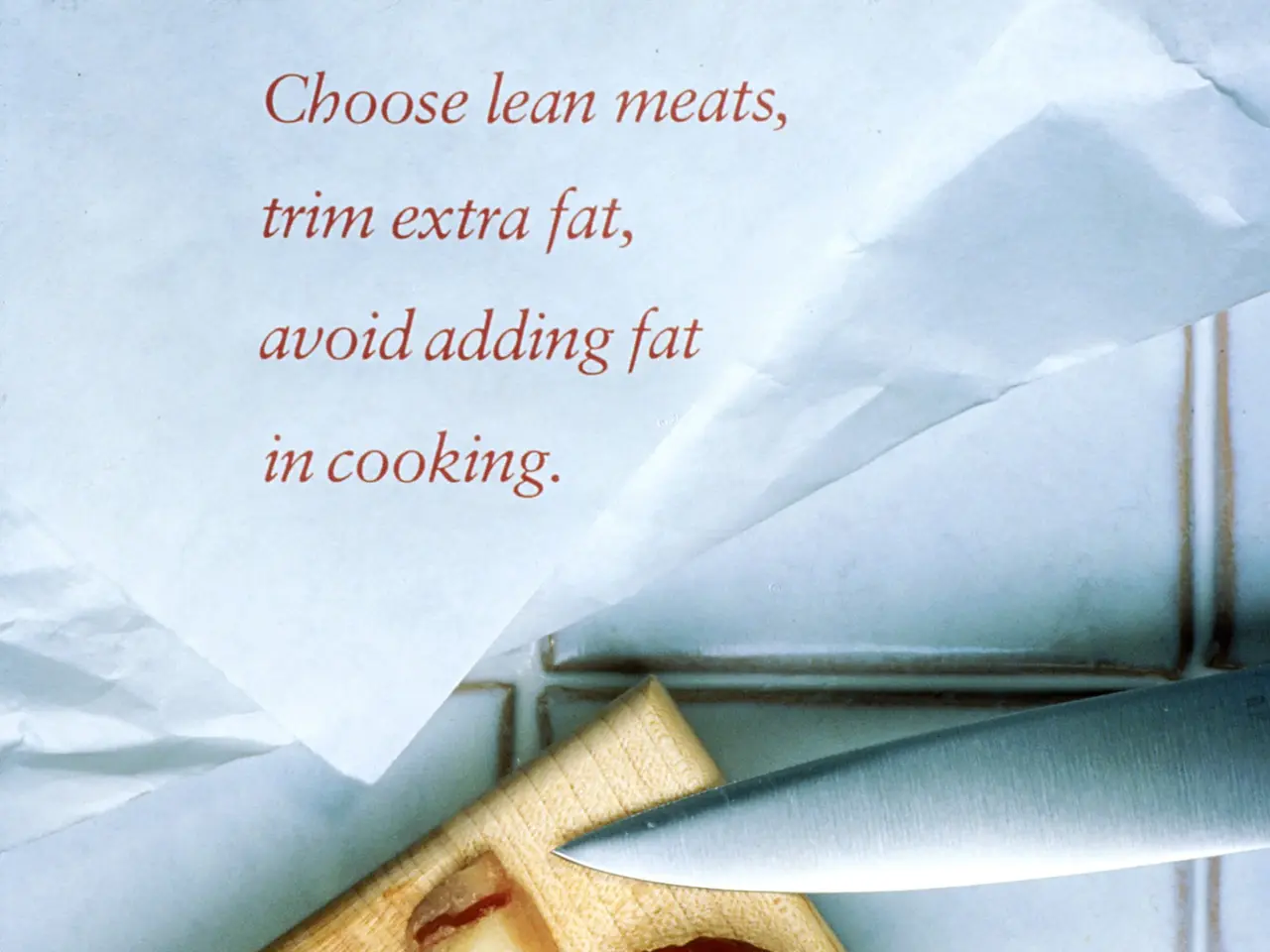
"Shashlik is most often made from pork, but it's best to choose lean cuts. Even better, opt for chicken, turkey, or fish. The main thing is that the meat should be free of visible fat, since some fat will still be present between the muscle fibers—and we'll consume that fat regardless," the specialist explained.
The doctor advises using natural marinades instead of mayonnaise, such as onions and spices. With enough marinating time, the result will be both tasty and healthy, whereas the ingredients in mayonnaise can char and form harmful compounds when grilled.
"To avoid harming your health and ensure your body gets the necessary protein in a single meal, 100–150 grams of shashlik per plate is enough. It's best to complement this portion with fresh vegetables, which will help digest a larger meal more comfortably," Natalya Zbitneva emphasized.
If overeating does occur, the specialist recommends taking digestive enzymes—either during the meal or immediately afterward, so the enzyme can begin breaking down the food right away. Taking enzymes on an empty stomach serves no purpose and may even irritate the stomach lining.
"Pre-made shashlik should only be bought as a last resort, since we can't know what meat was used or what marinade it was prepared with. If there's no alternative, choose meat that isn't charred and has no visible fat," she added.