How Your Flight Habits Could Trigger Deadly Blood Clots
Many passengers don't realize that their usual attempts to get comfortable in an airplane seat could cost them their lives. The news agency PrimaMedia explains the two most dangerous sitting positions, according to experts.
One of the most common mistakes is crossing your legs. Lee Cartwright, an elder care specialist, warns that this position is far from harmless. Not only does it cause back and joint pain, but it also impairs circulation in the legs and dramatically increases the risk of deep vein thrombosis during a flight.
Older passengers are particularly vulnerable. With age, blood flow naturally slows, muscles weaken, and venous valves function less efficiently. If chronic conditions like diabetes are also present, the risk multiplies, reports a source (18+).
Meanwhile, social media is flooded with so-called "helpful" tips on how to sleep soundly mid-flight. One traveler shared a video advising passengers to pull their knees to their chest and fasten the seatbelt around their ankles—claiming this prevents their legs from sliding and ensures a good night's sleep.
It may sound harmless, but doctors are horrified by such advice. Abuhamdan Amin, a phlebologist and vascular surgeon, responded to the dangerous "life hack" in the comments, warning that the risk of developing thrombosis in this position is extremely high.
The problem is that prolonged sitting in an unnatural position—especially at high altitudes—slows blood circulation. Blood pools, leading to clot formation, which can break loose at any moment and travel to the lungs—a real, life-threatening danger. The dry cabin air makes matters worse by dehydrating the body and thickening the blood. Combined with low pressure and humidity, these conditions create the perfect environment for thrombosis.
So, crossing your legs, tucking them under you, or—worse—strapping them with a seatbelt is absolutely off-limits during a flight.
How can you ensure a safe flight?
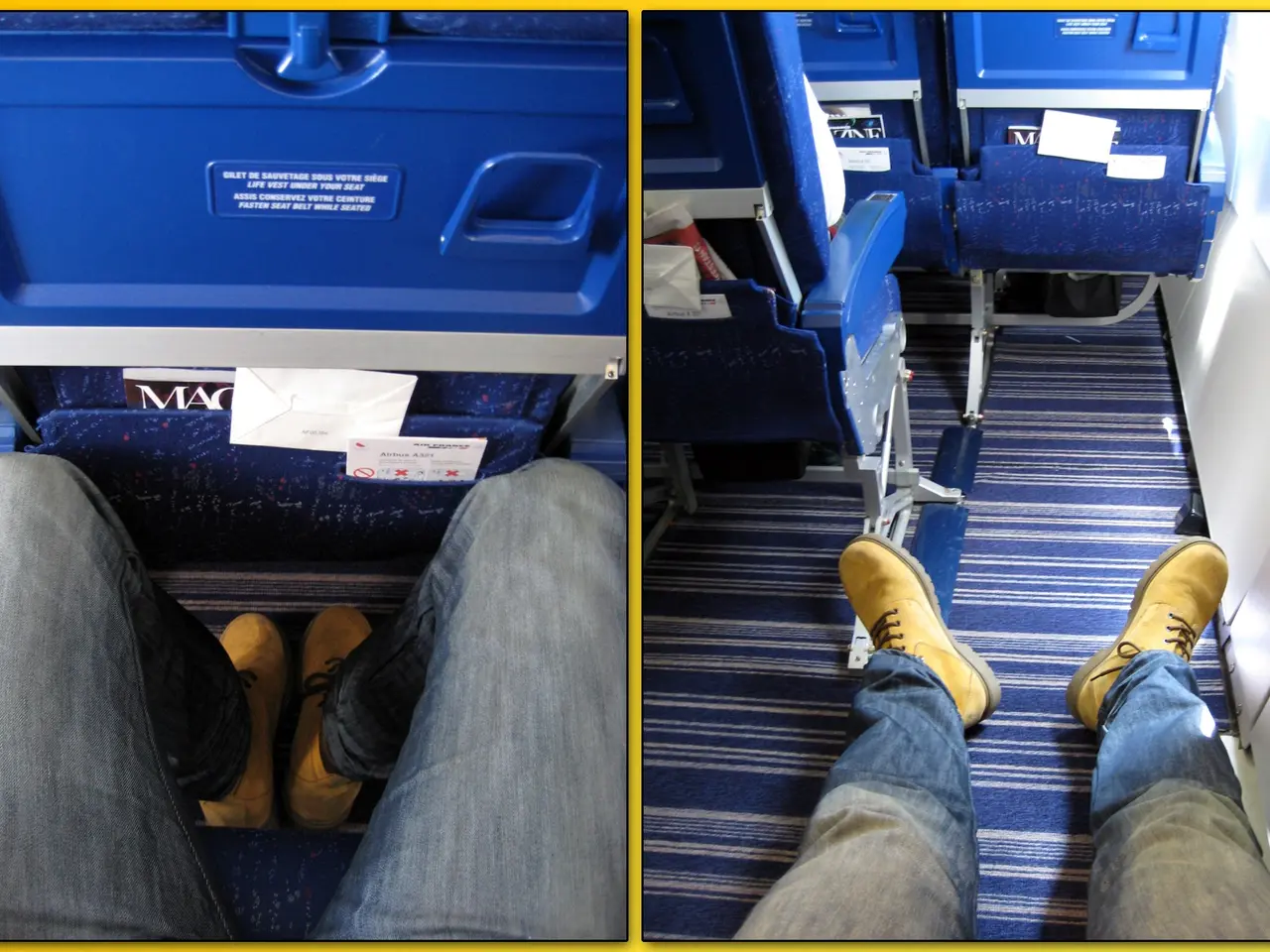
First, keep your legs straight or slightly bent at the knees—this relieves strain on your back and allows blood to circulate freely. Second, drink plenty of water and avoid alcohol and caffeine, as they dehydrate the body. Third, wear compression socks: they gently squeeze the legs, preventing swelling.
Don't forget to do simple seated exercises and take occasional walks down the aisle. These easy steps will help safeguard your health and make your journey more comfortable.