Poor sleep habits may accelerate aging in vital organs, study reveals
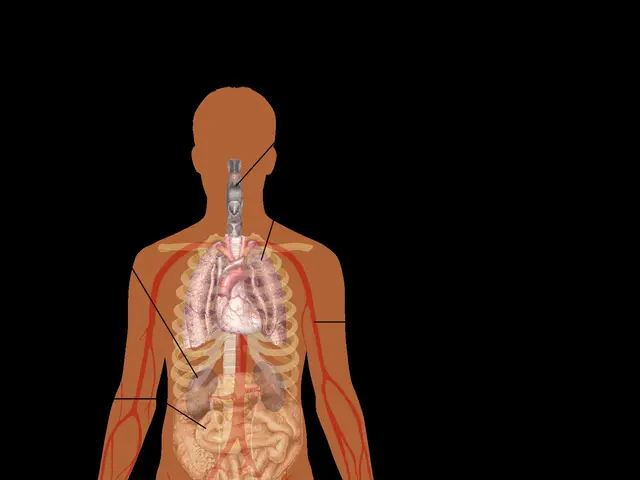
Poor sleep habits may speed up aging in key organs, according to new research. Scientists at Columbia University analysed data from half a million UK adults to uncover the link between sleep duration and biological aging. Their findings suggest that both too little and too much sleep can harm long-term health. The study focused on 500,000 participants from the UK Biobank, tracking their sleep patterns and organ health over time. Researchers measured the biological age of 17 organ systems, including the heart, lungs, and liver. Using 23 different 'aging clocks,' they predicted lifespan and disease risks based on sleep duration.
Short sleep was found to place immediate stress on the body, raising physiological strain and disrupting natural rhythms. However, oversleeping also posed risks—particularly to the brain. Early neuropsychiatric effects from excessive sleep could later lead to broader physical decline.
The team identified the ideal sleep range for long-term health: between 6.4 and 7.8 hours per night. Deviating from this window correlated with faster aging across multiple organs. The research highlights a clear connection between sleep habits and organ aging. Both insufficient and excessive sleep were linked to accelerated decline in vital systems. Maintaining a nightly sleep duration within the recommended range may help reduce these risks.