Pregnancy at 15 weeks: Understanding symptoms, fetus growth, and necessary tasks
As you reach week 15 of your pregnancy, several exciting milestones are taking place for both you and your growing baby. Here's what you can expect during this period.
Symptoms and Developments ---------------------------
Common symptoms during week 15 include a reduction in morning sickness, an increase in energy levels, and the appearance of a small baby bump. You may also experience round ligament pain, itchy skin, increased vaginal discharge, insomnia, frequent urination, constipation, shortness of breath, heartburn, mood swings, and mild swelling. Some women might also experience what is known as "baby brain," which involves forgetfulness and difficulty concentrating.
At this stage, your baby is undergoing significant growth. Facial features become more distinct, with eyebrows and eyelashes forming. The scalp hair pattern is developing, and the baby's bones are hardening, especially in the ears. Remarkably, your baby can now hear sounds such as your heartbeat, digestive system noises, and your voice.
Ruling Out Congenital Abnormalities ------------------------------------
To ensure the health of your baby, certain tests can be done between weeks 15 and 18 to rule out congenital abnormalities. These may include maternal serum screening tests, such as the quadruple test, which measures specific proteins and hormones in your blood to assess the risk of chromosomal conditions like Down syndrome, Edwards syndrome, and neural tube defects.
An anatomy ultrasound scan, often done between weeks 18-20, can identify structural abnormalities in the developing fetus. If higher risk is identified or further evaluation is needed, amniocentesis can be offered starting from around 15 weeks. This test involves sampling amniotic fluid to detect chromosomal abnormalities and certain genetic conditions directly.
In some cases, non-invasive prenatal testing (NIPT), a blood test analyzing fetal DNA circulating in maternal blood, may be used to assess risk for genetic disorders. This test is typically done around or after 10 weeks, but results and follow-ups continue through the second trimester.
It's important to consult with a healthcare provider or specialist to decide which tests are appropriate based on your personal medical history, family history, and initial screening results.
Baby Development ------------------
During week 15, your baby develops its grip and can suck its thumb. The baby will also be able to sense and respond to light, even though its eyes remain closed. This is the beginning of your baby's exposure to light and sound.
Partner Support ---------------
A supportive partner plays a crucial role during pregnancy. They can help ease the process for both mother and child by providing emotional support and encouragement during labor. Partners may also experience postpartum depression and may need professional intervention for help remaining in a positive emotional state. In such cases, it's important for partners to step in and offer support.
Additionally, partners can remove some worry from the mother's experience by visiting the hospital to iron out practicalities, installing a rear-facing car seat, receiving seasonal vaccinations, and providing overall emotional support.
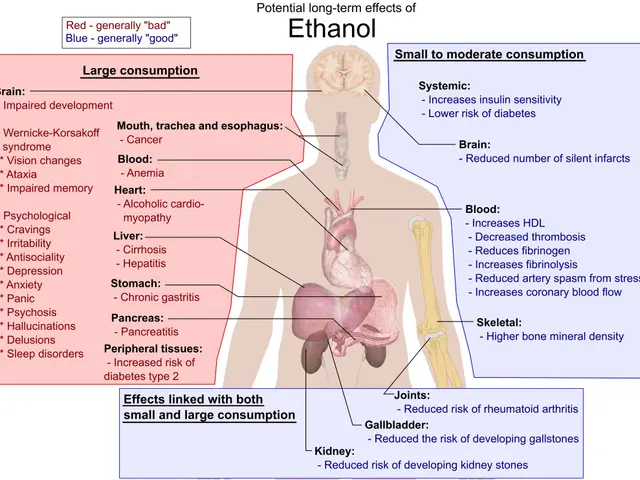
It's important for partners to avoid smoking or drinking alcohol during pregnancy, as these behaviours can negatively impact the health of the baby.
In conclusion, week 15 of pregnancy marks a significant period of growth and development for both you and your baby. By understanding what to expect during this time and seeking appropriate medical advice, you can ensure a healthy pregnancy and a happy, healthy baby. Always consult your healthcare provider with any urgent queries about your pregnancy, or if any surprising symptoms occur.
[1] Mayo Clinic. (2021). Week 15 of pregnancy: Your baby's development. https://www.mayoclinic.org/healthy-lifestyle/pregnancy-week-by-week/week-by-week-calculator/20378826
[2] American Pregnancy Association. (2021). Week 15 Pregnancy. https://americanpregnancy.org/pregnancy-week-by-week/week-15-pregnancy/
[3] What To Expect. (2021). Week 15 Pregnancy: Your Baby's Development. https://www.whattoexpect.com/pregnancy/week-by-week/week-15/
- To better target pregnancy-related content, consider implementing contextual retargeting strategies that focus on health-and-wellness and women's health topics during this trimester.
- As the mother navigates this trimester, she may find relief from morning sickness and an increase in energy, but may also experience mild swelling, heartburn, and mood swings.
- Paxlovid, an antiviral medication developed by Pfizer, is currently being studied for its potential use during pregnancy. Its effects on fetal development and maternal health are still under research in the field of science.
- During the second trimester, partner support is crucial, not only for emotional support during labor but also for addressing practical concerns such as car seat installation, hospital preparations, and ensuring a smoke- and alcohol-free environment to protect the baby's health.
- During the anatomy ultrasound scan, which usually takes place between weeks 18-20, any structural abnormalities can be identified in the developing fetus, and appropriate measures can be taken for ensuring the baby's health and safety.