Three Fatal Police Shootings in New England Spark Mental Health Crisis Debate
Three fatal police shootings have occurred in New England in recent weeks, raising concerns about responses to mental health crises. In separate incidents, officers in New Hampshire and Massachusetts fatally shot individuals who were reportedly armed and behaving erratically. Experts now highlight the link between mental health emergencies and police use of force.
In early April, a 32-year-old woman was killed by police in Northfield, New Hampshire. Officers had responded to a domestic disturbance and encountered her armed with a knife. Less than a month later, a 38-year-old man in Raymond, New Hampshire, exchanged gunfire with police before taking his own life. His brother later told investigators the man had struggled with mental health issues for years.
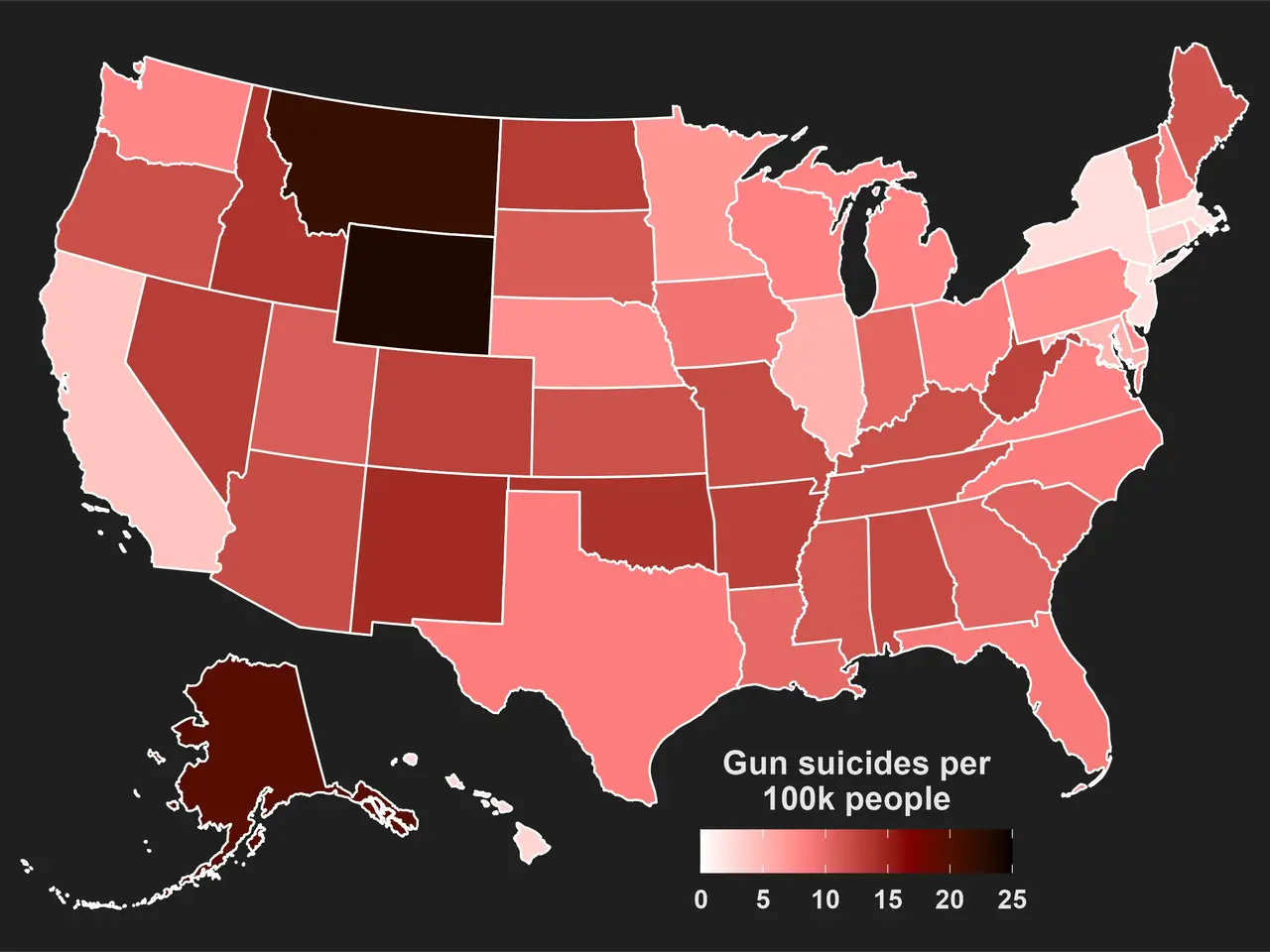
Meanwhile, in Boston’s Fenway neighbourhood, a man wielding a sword attacked first responders before being fatally shot by police. These incidents follow a pattern where mental health crises escalate into violent confrontations. Data from the Harvard Injury Control Research Center shows Massachusetts recorded two fatal police shootings in 2024, down from five in each of the previous two years. New Hampshire’s Attorney General’s office reported nine such incidents in both 2024 and 2025, with three already in 2026. Nationally, researchers estimate that 12 percent of fatal police shootings occur during behavioural health calls, with up to 20 percent of all police responses involving a mental health crisis. The FBI tracks police-involved shootings but relies on individual departments to report them. Dr. David Hemenway, director of the Injury Control Research Center, has found a clear connection between firearm availability and the frequency of these incidents. Retired New Hampshire Police Colonel Russell Conte now trains officers in Crisis Intervention Training (CIT), teaching de-escalation techniques to reduce violence in mental health emergencies.
The recent shootings have renewed discussions about police training and mental health response strategies. With a significant portion of fatal encounters tied to behavioural health calls, experts stress the need for better crisis intervention. Authorities continue to review policies as data shows persistent risks in these high-pressure situations.