Burnout silently creeps in—here's how to stop it before it's too late
Burnout is becoming an increasingly common issue, particularly among professionals in high-pressure roles. The condition often develops in stages, starting with excessive work and fatigue before escalating into severe physical and emotional exhaustion. Experts warn that recognising early signs and taking preventative steps can make a significant difference in avoiding long-term harm. The first signs of burnout appear when someone works too much without proper rest. Skipping weekends and ignoring fatigue can lead to health problems if left unchecked. As the condition progresses, irritability begins to affect personal life, causing arguments over small issues at home.
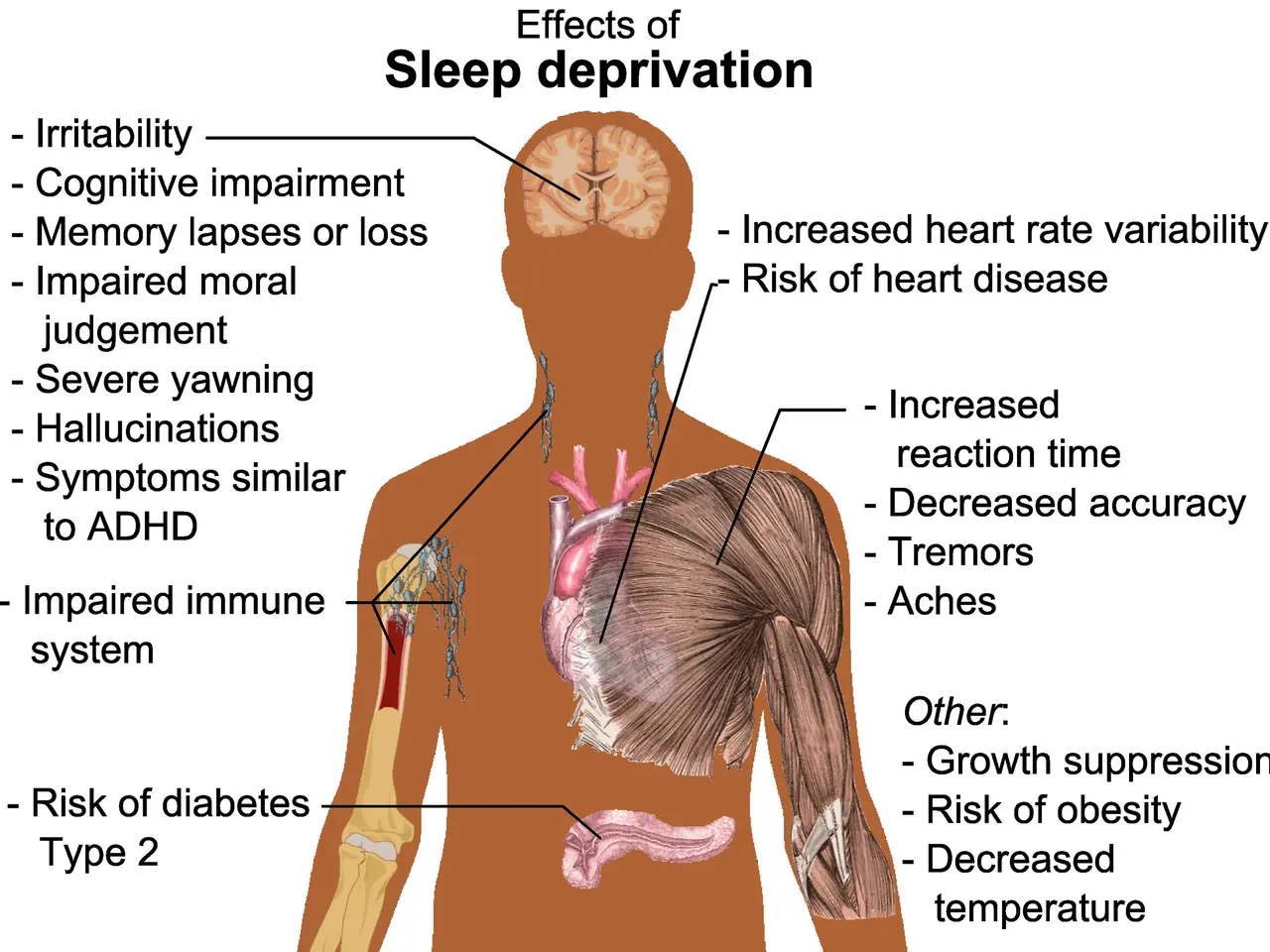
By the third stage, apathy takes hold, making it hard to enjoy activities that once brought pleasure. Feelings of guilt and resentment often follow, deepening emotional strain. In the final, most critical stage, physical exhaustion reaches a breaking point, sometimes resulting in collapse or hospitalisation due to serious health complications. Certain individuals face a higher risk, including those who were constantly busy as children, perfectionists, and highly skilled professionals who lose balance in their lives. Doctors and other 'helping' professions are especially vulnerable, particularly when tasks drag on without clear completion. The modern pace of life, digital demands, and instability are also contributing to rising anxiety, pushing more people to seek psychological support. To prevent burnout, experts recommend regular self-assessment and rest. Simple activities like spending time alone, taking walks, or getting massages can help recharge energy levels. Letting go of unrealistic goals, prioritising tasks, and stepping back from social media are also important. Avoiding the 'rescuer' mindset—where someone feels compelled to fix everything—can reduce unnecessary stress.
Burnout develops gradually but can have severe consequences if ignored. Early intervention, such as setting boundaries and embracing small pleasures, can prevent the condition from worsening. With growing awareness, more people are taking steps to protect their mental and physical well-being before reaching a crisis point.