Why fewer people are choosing parenthood in an uncertain world
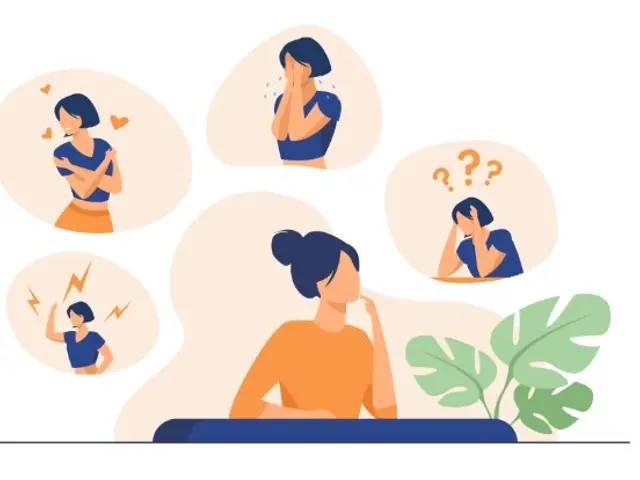
More people are questioning whether to have children, with many citing concerns about the state of the world. The phrase ‘I don’t want to bring children into this’ has become a common reason for avoiding parenthood. While most still desire kids, the decision is now seen as a careful choice rather than an automatic step in life. The COVID-19 pandemic disrupted family planning for many, as economic instability and lockdown stress led to a drop in birth rates. Even beyond the crisis, uncertainty has become a lasting factor in people’s decisions. High housing costs, unstable jobs, and struggles to balance work with personal life add to the hesitation.
Social media often presents an idealised version of parenting, raising expectations to unrealistic levels. Many now feel they must have everything perfect—finances, careers, relationships—before considering a child. This pressure is particularly strong among emancipated women, who are less willing to accept the long-standing disadvantages tied to motherhood. Politicians urging people to *‘overthink family planning less’* face criticism for overlooking real obstacles. Instead, experts argue that reliable support—affordable childcare, stable jobs, and housing security—would make parenthood a more feasible option.
The shift reflects broader changes in how society views family life. While the desire for children remains, practical barriers and persistent uncertainty shape decisions. Without tangible improvements in living conditions, the trend of delayed or forgone parenthood is likely to continue.