Why Modern Wellbeing Is About Balance, Not Just Diets or Workouts
The way people approach health has changed in recent years. No longer just about strict diets or intense workouts, the modern view now includes mental clarity, emotional balance, and everyday habits. Experts are encouraging a more flexible and sustainable approach to staying well. A key shift has been the focus on movement rather than rigid exercise routines. Activities like cycling, hiking, or dancing are now seen as valuable because they keep the body active while being enjoyable. Alongside this, mental wellbeing has taken centre stage, with mindfulness practices and outdoor time becoming widely adopted.
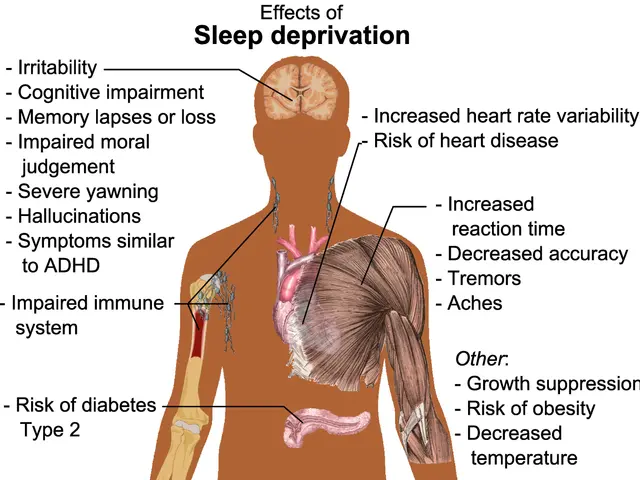
Nutrition has also evolved, moving away from restrictive diets towards mindful eating. Balance is now the priority, with occasional treats viewed as part of a realistic lifestyle. Meanwhile, quality sleep has gained recognition as just as vital as diet and exercise, with simple bedtime routines making a noticeable difference.
Technology plays a role too, as fitness trackers and health apps help people track progress. However, experts warn against over-relying on data, stressing that motivation should come from how someone feels rather than numbers alone.
Small daily habits—drinking more water, taking short walks, or ensuring enough rest—are proving to have a big impact. Social connections, such as spending time with friends or joining group activities, are also recognised as essential for overall wellbeing. Even leisure activities, like reading or listening to music, are now understood to help the brain unwind and recover from daily stress. The new approach to health is built on consistency and long-term habits rather than short-term fixes. By combining physical activity, mental care, balanced nutrition, and social engagement, people are finding more sustainable ways to stay well. This broader perspective aims to improve not just fitness, but overall quality of life.