Why Quality Sleep Beats Extra Hours in Bed Every Time
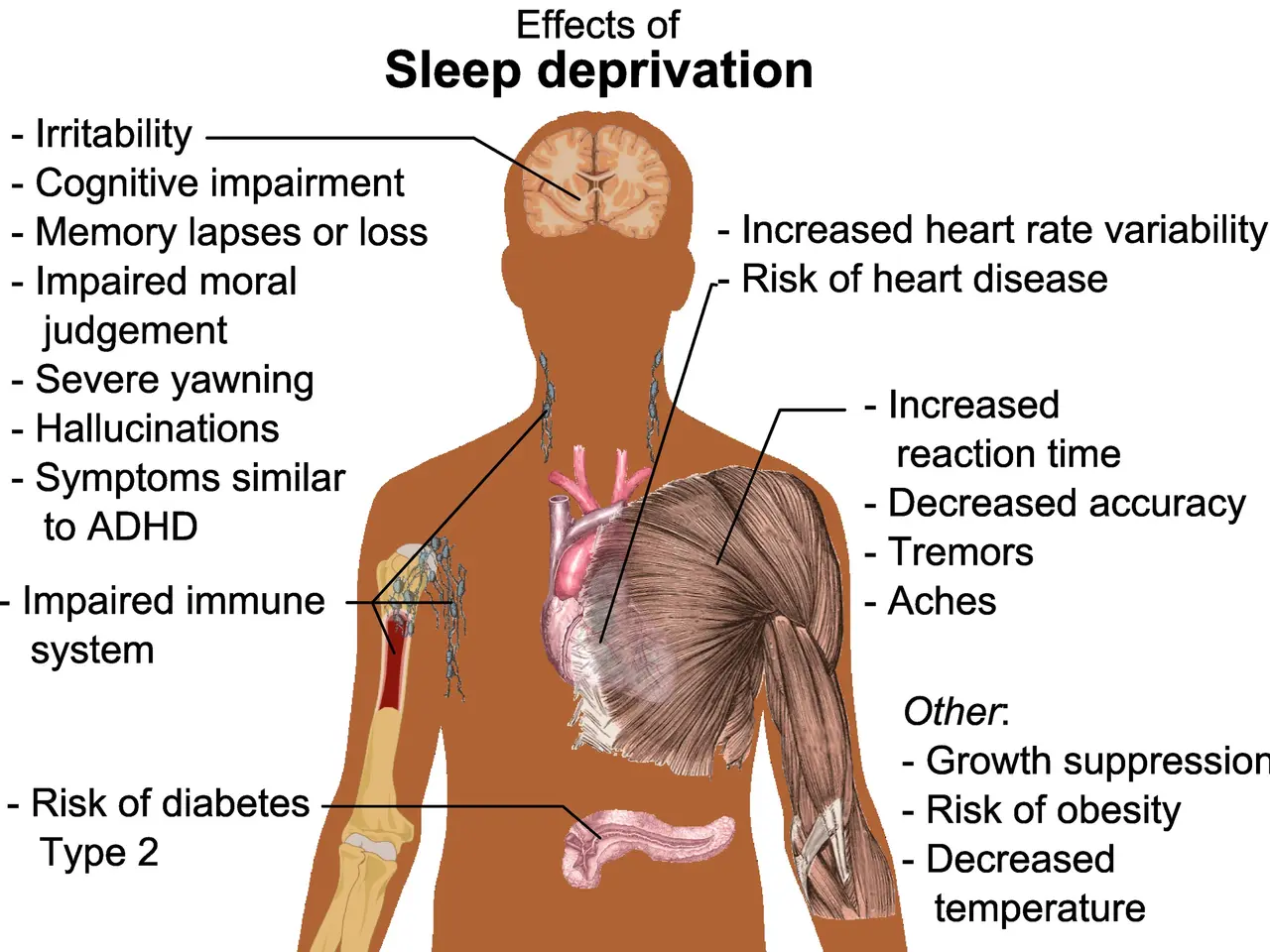
A good night’s sleep is more than just the number of hours spent in bed. Experts highlight that the quality of rest—particularly the uninterrupted progression through all sleep phases—plays a crucial role in recovery. While many believe catching up on weekends helps, research shows this approach fails to reverse the effects of chronic sleep loss. Each night, the body cycles through multiple sleep stages, with a full cycle lasting roughly 90 minutes. This pattern repeats up to five times, and the REM phase—critical for memory and emotional regulation—is especially important. Disruptions to these cycles prevent the body from fully recovering, even if total sleep time seems sufficient.
Most adults require 7-8 hours of sleep, though individual needs vary. The best measure of adequate rest is how refreshed someone feels upon waking. Only a small fraction of people can function well on just 5-6 hours without long-term consequences. Poor sleep quality over time leads to irritability, anxiety, and difficulty concentrating. While sleeping in on weekends may offer temporary relief, it does not compensate for persistent sleep deprivation. Maintaining a consistent sleep schedule and avoiding factors like late-night screen use or irregular bedtimes can significantly improve rest.
Prioritising uninterrupted, high-quality sleep supports emotional balance, cognitive function, and long-term health. Unlike occasional catch-up rest, a steady routine ensures the body completes each sleep phase effectively. This, in turn, enhances overall well-being and may even extend life expectancy.