Fitbit overhauls health tracking with major feature cuts and upgrades
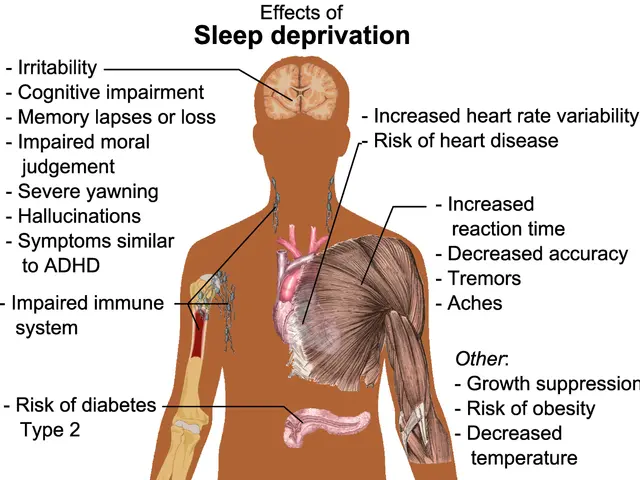
Fitbit users will soon see several changes to their health-tracking features. Google has announced updates that remove some long-standing tools while introducing new ones. The adjustments affect sleep, stress, fitness, and glucose monitoring functions.
One of the most noticeable removals is the Snore Detection feature, previously available on Fitbit Sense and Versa 3. Users will no longer have access to this function.
The **Skin Temperature** tracking has also been scaled back. Instead of minute-by-minute readings, only daily and weekly trends will remain. Similarly, **Blood Glucose Tracking** will lose its ability to log symptoms or set reminders for level checks. The **Stress score** is being replaced by a new metric called **Resilience**, which categorises users as Optimal, Balanced, or Low. Another change involves **Estimated Oxygen Variation (EOV)**, which is being phased out in favour of standard **SpO2 data**. Google is also retiring the badge system, including both new and previously earned badges. Instead, progress will be recognised through the **Health Coach** feature. Meanwhile, the **Cardio Fitness Score** has been rebranded as **VO2 max**, now calculated during GPS-tracked runs and incorporating data from third-party apps. The **daily cardio goal** is being replaced by a **personalised weekly target**. However, one feature that won’t transfer over is the **Sleep Profile**, which Google Health has chosen not to adopt from Fitbit.
These updates mark a shift in how Fitbit and Google Health track and present user data. Some long-time features are disappearing, while others are being reworked or renamed. Users will need to adjust to the new system when the changes take effect.