Regular nightmares are not just unpleasant dreams, but a diagnosis that may be associated with accelerated aging of the body and an increased risk of early death, told the internet publication Podmoskovye Segodnya somnologist Ilya Smirnov.
Frequent nightmares may accelerate ageing and shorten lifespan, experts warn
According to him, nightmares differ from ordinary unpleasant dreams: a person wakes up in a cold sweat, with rapid heartbeat and pronounced fear not less than once a week during the rapid eye movement phase.
"There have been studies that have shown: with frequent nightmares, the rate of aging increases. It is difficult to prove this conclusively, but there is logic: the body is constantly experiencing night stress, does not have time to recover, neither physically nor psychically," Smirnov explained.
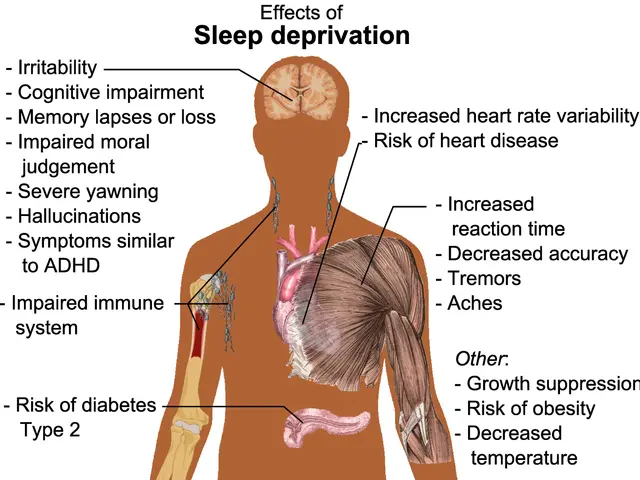
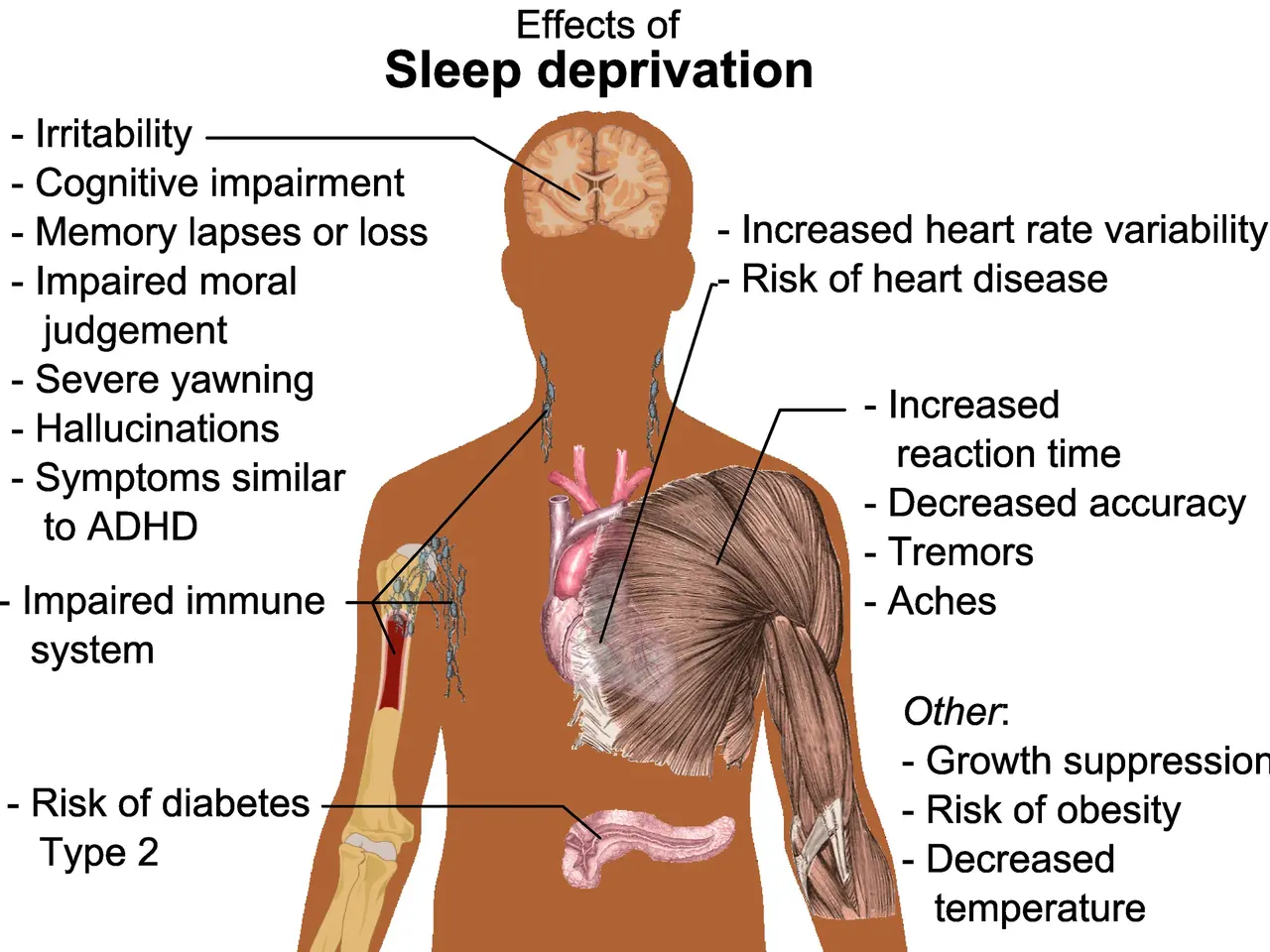
The alarming signals also include chronic sleep deprivation, daytime sleepiness, weakness, increased anxiety and irritability. In such cases, according to the doctor, you should consult a neurologist or somnologist and undergo polysomnography.
"If nightmares have become regular, it's not about 'counting sheep and everything will pass.' Here, hygiene of sleep is no longer enough, a full diagnosis and treatment are needed," the specialist emphasized.