How a Lifetime of Experiences Shapes Your Brain's Future
Brain health is not a 'senior issue', it is a lifelong accumulation of experiences, biological shifts, and environmental exposures. A major new scientific statement introduces a comprehensive framework for understanding how brain health is shaped from early childhood through late adulthood.
Moving beyond traditional risks like blood pressure, the statement highlights 'external' drivers, including mental health, sleep quality, the gut microbiome, and social conditions, as critical factors that determine our risk for stroke, dementia, and cognitive decline later in life.
Key Facts
- The 'Whole-Life' Perspective: Brain health is shaped across the entire lifespan. Adverse childhood experiences (ACEs) or chronic inflammation in youth can create biological 'echoes' that manifest as dementia or stroke decades later.
- The Mental-Physiological Link: Chronic stress, anxiety, and depression aren't just 'feelings'; they cause structural brain changes, including inflammation and loss of neural connections, which accelerate cognitive aging.
- Gut-Brain Axis: The microbiome is now recognized as a primary regulator of brain health. Beneficial gut bacteria produce immune signals that protect the brain, while an imbalanced gut (often caused by processed foods) can trigger systemic inflammation.
- The 'Dirty Sponge' Environmental Risk: Exposure to air pollution, microplastics, and wildfire particulate matter acts as a slow-acting neurotoxin, damaging the blood-brain barrier and stressing brain cells over time.
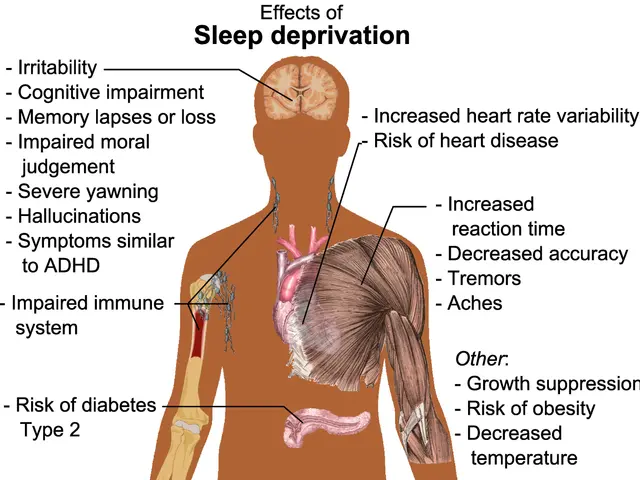
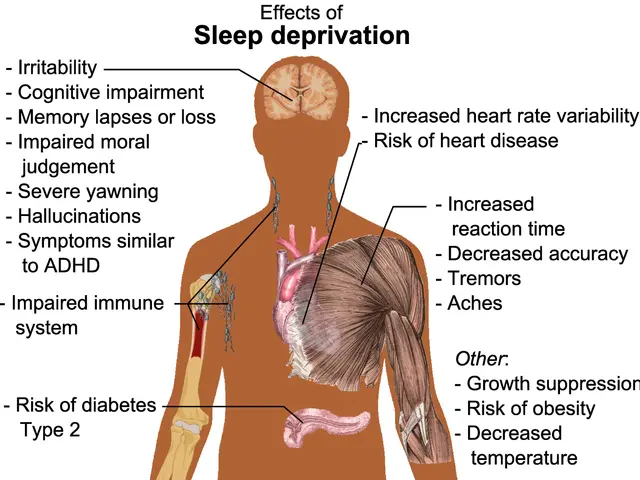
- The 'Investment' of Sleep: Sleep is described as a cumulative investment. In children, it builds the brain; in adults, it flushes neural waste. Chronic sleep apnea is now a top-tier risk factor for memory loss.
Brain health isn't determined only by genetics or what happens later in life. A growing body of research shows that a range of factors-from mental health and sleep to environment, lifestyle and social conditions-play a powerful role in shaping how the brain functions and ages.
A new American Heart Association scientific statement highlights how experiences starting early in life and continuing through life may influence brain health and affect the risk of stroke, cognitive decline or dementia in later years.
The new scientific statement, 'Brain Health Across the Life Span: A Framework for Future Studies,' highlights opportunities for early detection, prevention and intervention to protect brain health and support healthy aging.
According to the U.S. Census Bureau, the number of U.S. adults ages 65 and older is projected to increase from 58 million in 2022 to 82 million by 2050, a 42% increase, and the 65-and-older age group's share of the total population is projected to rise from 17% to 23%. The aging of the U.S. population is expected to increase the prevalence of brain conditions that affect memory, thinking, communication skills and mental health.
As medical and scientific advancements have extended life expectancies, brain health has become increasingly important. The number of people with age-related cognitive impairment is rising rapidly, creating significant personal, emotional, and health care system burdens.
Previous research about brain health has considered factors that damage blood vessels and reduce blood flow to the brain, which can increase the risk of developing stroke, cognitive decline and/or dementia. Recent research has also focused on the role of psychological, environmental, lifestyle and social factors, that affect brain health over a lifetime.
We've long focused on managing risk factors like blood pressure and cholesterol, which remain critical for heart and brain health, however, this statement spotlights research on external factors like sleep quality, the gut microbiome and social conditions that are also linked to brain health.
One of the most important messages in this scientific statement is that brain health is shaped across the entire life span. What happens early in life can matter decades later, which also means there are opportunities at every life stage to support healthier brain aging.
What factors affect brain health?
Recent research shows that numerous mental, physical, environmental and social factors influence brain health across the life span.
- Mental Health: Negative psychological factors and mental health disorders can negatively impact cardiovascular health. Over time, chronic stress, depression and anxiety may change the brain in ways that increase the risk of memory loss, dementia and stroke.
- Adverse Childhood Experiences: Children who experience abuse, neglect, exposure to domestic violence, or parental separation or divorce, incarceration or illicit substance use or dependence, may be at increased risk for learning and attention difficulties in childhood, as well as mental health conditions and cognitive decline and dementia as they age.
- Chronic Inflammation: Long-term inflammation can damage brain cells and blood vessels over time. When inflammation begins early in life, it may interfere with healthy brain development.
- Gut Microbiome: The gut and brain are closely connected and communicate through nerves, immune signals and hormones. Healthy gut bacteria produce substances that help protect the brain and regulate inflammation.
- Obesity: Excess body weight can be harmful to overall health and is an important risk factor for brain health across the life span.
- Sleep: Healthy sleep is essential to keeping the brain balanced and functioning well at every age.
- Social drivers of health: Current research confirms that lower socioeconomic status, including fewer years of education and lower income, is linked with a higher risk of health conditions like Type 2 diabetes and high blood pressure, both of which can contribute to memory loss, cognitive decline and dementia.
- Environmental Exposures: Current research suggests that exposure to air pollution, heavy metals, microplastics and other environmental pollutants such as particulate matter from wildfires can slowly damage the brain by triggering inflammation, stressing brain cells and harming the blood vessels that supply it.
What are ways to improve brain health?
Together, the evidence underscores that brain health is shaped throughout a person's lifetime and that healthy lifestyle behaviors can make a difference. Addressing modifiable factors such as mental health, environmental exposures, sleep and social conditions may support brain development and healthy aging.
Research suggests that healthy lifestyle habits such as those outlined in the American Heart Association's Life's Essential 8 may support brain health. Getting regular physical activity, controlling blood pressure and cholesterol, practicing healthy sleep habits, avoiding smoking and managing stress have shown consistent benefits.
Healthy eating patterns such as those detailed in the Association's 2026 Dietary Guidance are also a key factor in shaping gut and brain health. Following a Mediterranean-style diet and eating fiber-rich, plant-based foods and fermented foods, like yogurt and kefir, support beneficial gut bacteria, while diets high in processed foods and added sugars can disrupt the gut microbiome.
What should health care professionals and other leaders do to support brain health?
The statement urges health care professionals and policymakers to protect and promote optimal brain health from before birth through adulthood across all communities. Prioritizing mental health screening and support and expanding access to timely, effective health care that supports Life's Essential 8 can help to improve brain health across the life span.