How hunger neurons in the brain shape eating and learning behaviors
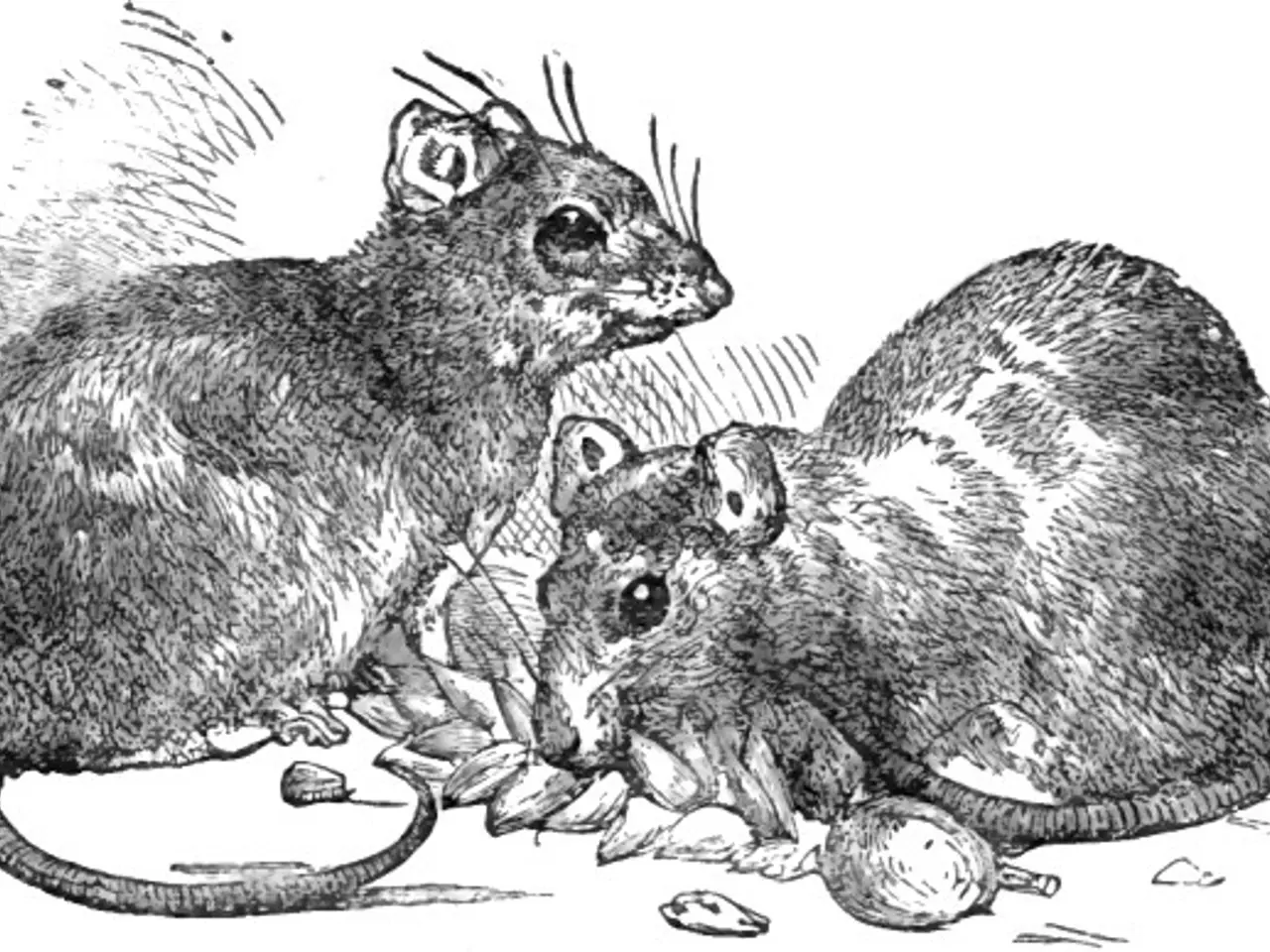
Scientists have uncovered new details about how hunger neurons in the brain control food-seeking behaviour and learning. A study published in Nature reveals that these neurons not only trigger hunger but also reinforce actions that lead to eating. The findings come from over a decade of research at Beth Israel Deaconess Medical Center (BIDMC). The team, led by Bradford B. Lowell, MD, PhD, from BIDMC’s Division of Endocrinology, focused on AgRP neurons—cells known to stimulate hunger. When mice fast, these neurons become highly active, driving the animals to seek food. Eating or even the sight of food, however, suppresses their activity.
The study used a genetically modified mouse model developed at BIDMC. Researchers found that reducing AgRP neuron activity acts as a reward, encouraging mice to repeat behaviours that lead to food. Blocking the network that normally inhibits these neurons disrupted the animals’ ability to learn food-related tasks. The work was supported by funding from the National Institutes of Health. BIDMC, a teaching and research partner of Harvard Medical School, is part of the Beth Israel Lahey Health network.
The results suggest that AgRP neurons play a dual role in both triggering hunger and reinforcing food-seeking actions. Understanding this mechanism could provide insights into how the brain regulates eating behaviour. The study’s implications may extend to research on obesity and metabolic disorders.
Read also:
- Solingen's Glass Workshop Hosts Free Health Day with Expert Talks and Wellness Activities
- Persimmon farming booms in India as farmers ditch apples for higher profits
- Fresh Bellies Thrives After Shark Tank Rejection With $6M in Sales
- California Walnuts Shine as a Heart-Healthy Superfood This Nutrition Month