How Small Habits Can Rewrite Your Ageing Process, According to Science
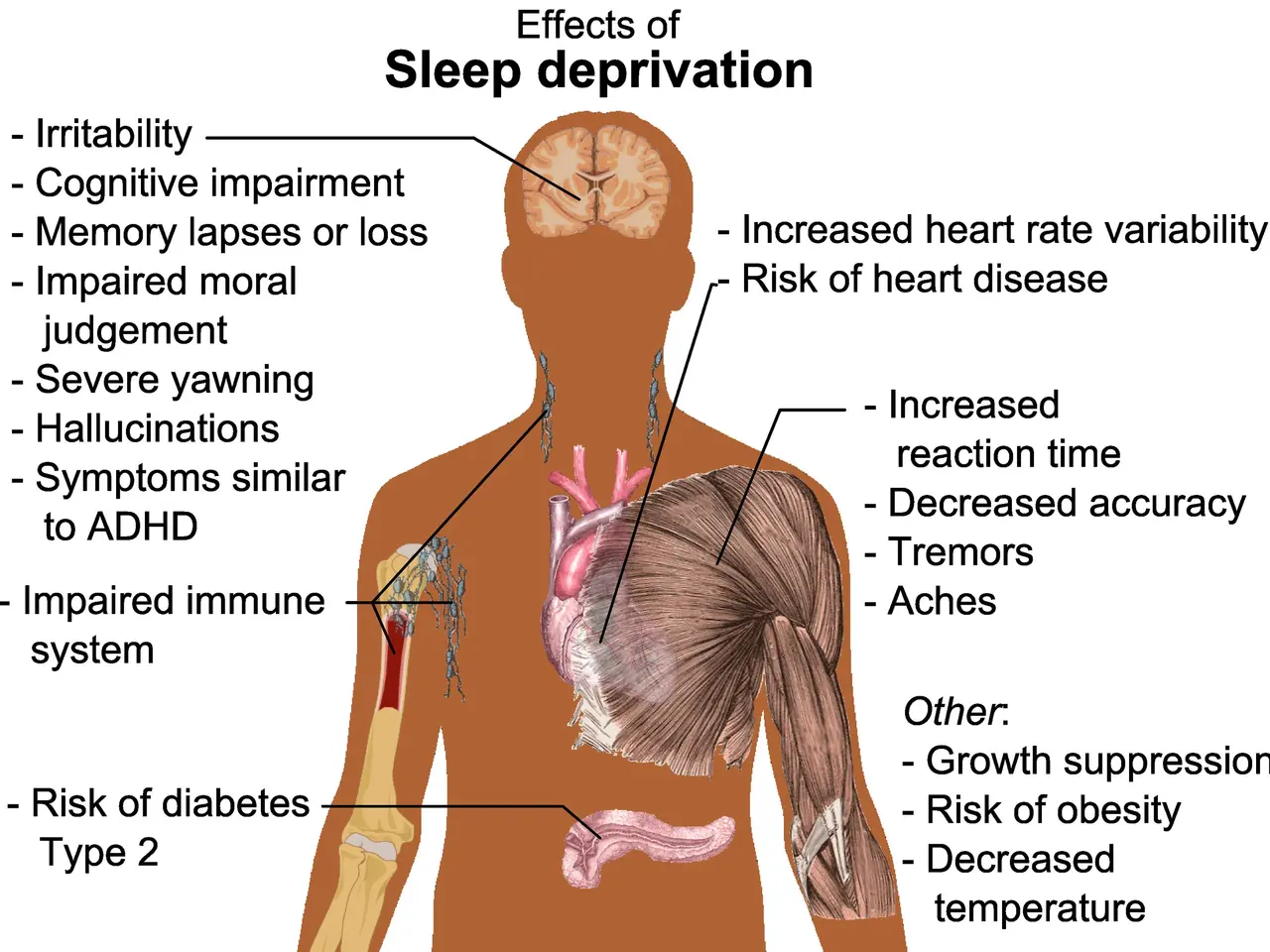
Dr. Florence Comite, a leading expert in longevity and epigenetics, has spent decades studying how lifestyle choices shape health and ageing. As an identical twin, she has witnessed firsthand how different experiences can lead to contrasting health outcomes—yet believes many effects can be reversed through simple changes. Genetics may determine up to 50% of a person’s lifespan, but Comite argues that daily habits play a crucial role in how we age. She highlights small but impactful adjustments, like avoiding food before bed, which can improve digestion and sleep quality over time. Better sleep, in turn, supports metabolism and long-term health.
Alcohol consumption also affects longevity, and the CDC advises women to limit themselves to one drink per day, while men should cap it at two. Comite suggests a practical tip: drinking a glass of water between alcoholic beverages can naturally reduce overall intake. Exercise remains a cornerstone of her recommendations. Combining cardio with strength training offers the best protection against age-related decline. According to Comite, these conscious choices allow people to regain control over their health and slow the ageing process. Her work in epigenetics—the study of chemical changes that switch genes on or off—reinforces the idea that environment and behaviour can override inherited risks. Even minor tweaks, when sustained, can lead to significant improvements in how the body functions over time.
Comite’s approach blends science with practical advice, proving that ageing well isn’t about drastic measures but consistent, manageable habits. By focusing on sleep, diet, exercise, and moderation, she demonstrates how lifestyle can counterbalance genetic predispositions—and help people live longer, healthier lives.