Rhodiola Rosea May Shield the Brain from Chronic Stress Damage
Chronic stress takes a heavy toll on the brain, damaging key areas like the hippocampus and prefrontal cortex. Over time, this erosion affects memory, decision-making, and mood. Now, research suggests Rhodiola rosea—a plant long used in traditional medicine—may help protect the brain from these harmful effects.
Rhodiola rosea, classified as an adaptogen, has been used for centuries to boost endurance and mental performance under stress. Its primary active compounds—salidroside, tyrosol, and rosavins—have drawn scientific interest for their ability to support brain function.
Chronic stress disrupts brain structures by increasing cortisol levels, which harm the hippocampus and prefrontal cortex. The hippocampus, already vulnerable to age-related decline, struggles to repair itself under prolonged stress. Meanwhile, the prefrontal cortex suffers, leading to problems with working memory, decision-making, and cognitive flexibility. Over time, stress also triggers neuroinflammation, creating a damaging cycle of deterioration.
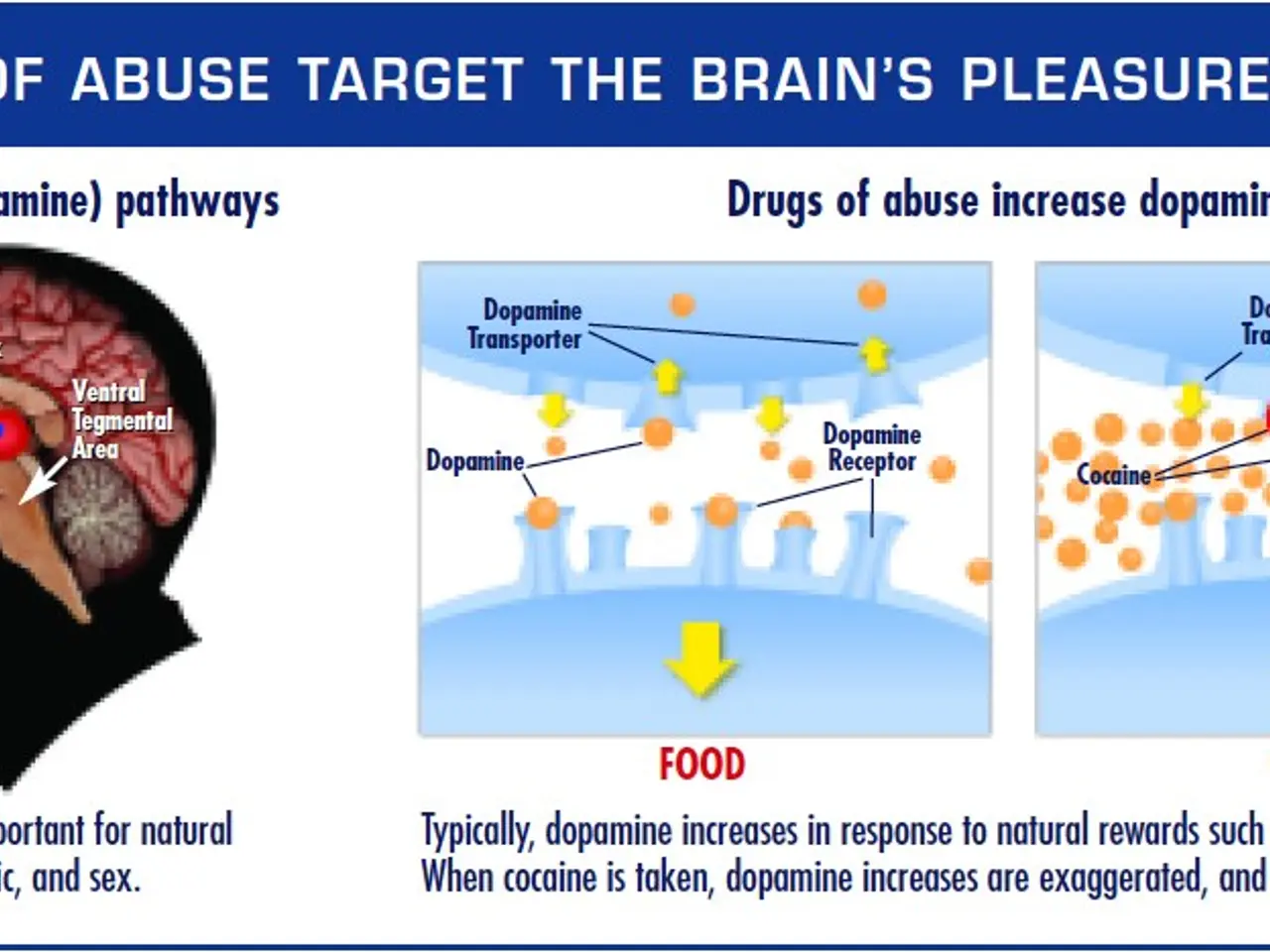
Rhodiola works in multiple ways to counter these effects. It modulates the HPA axis, reducing cortisol spikes without completely blocking the body’s stress response. It also inhibits monoamine oxidase, an enzyme that breaks down key neurotransmitters. By extending the availability of dopamine, norepinephrine, and serotonin, the plant supports mood and cognitive performance.
One of Rhodiola’s most studied compounds, salidroside, directly protects brain cells. It reduces oxidative stress and shields mitochondria from dysfunction, both of which are linked to stress-related damage. Clinical trials back up these findings, showing that Rhodiola improves mental fatigue, sharpens cognitive function, and stabilises mood—especially in high-pressure situations.
The evidence suggests Rhodiola rosea may help defend the brain against the long-term effects of chronic stress. By regulating stress hormones, preserving neurotransmitters, and protecting neurons, it offers a potential way to maintain cognitive health. Further research continues to explore its role in supporting brain resilience over time.