Exercise Boosts Success Rates for Quitting Smoking, Study Finds
A new systematic review highlights the benefits of exercise in helping people quit smoking. The study analysed data from 59 trials involving over 9,000 participants. It suggests that structured physical activity can boost the success of traditional smoking cessation methods. The review found that exercise modestly improves long-term quit rates. Participants who exercised had a 15% higher chance of staying smoke-free compared to those who did not. Daily cigarette consumption also dropped by more than two cigarettes on average for those in exercise programs.
Aerobic activities, such as brisk walking or cycling, were linked to better long-term abstinence. Meanwhile, higher-intensity workouts proved more effective at reducing short-term cravings. Even a single session of vigorous exercise could cut nicotine urges immediately afterwards.
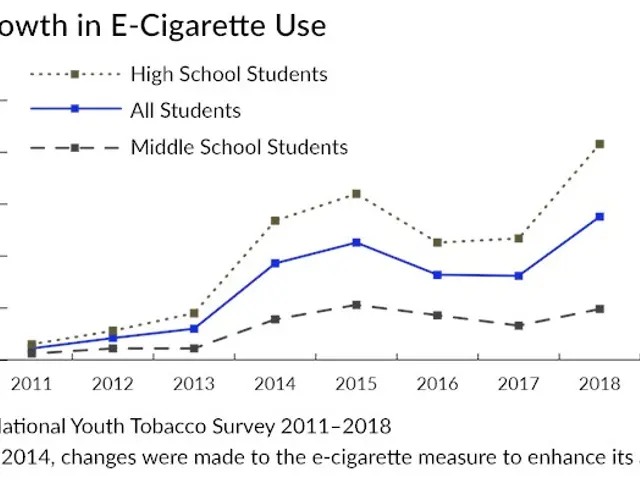
Despite these findings, the review notes a lack of research on exercise’s impact on e-cigarette and vaping cessation. Experts also stress that exercise should complement—not replace—existing quit-smoking treatments like nicotine replacement therapy or counselling. The study reinforces exercise as a useful tool for smoking cessation. Its low cost and accessibility make it an attractive option for public health campaigns. However, further research is needed to explore its effects on vaping and e-cigarette use.