Can Better ICU Sleep Prevent Delirium? A $12M Study Aims to Find Out
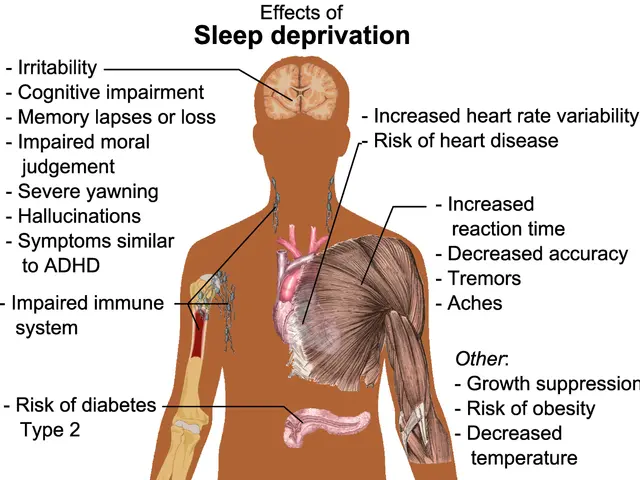
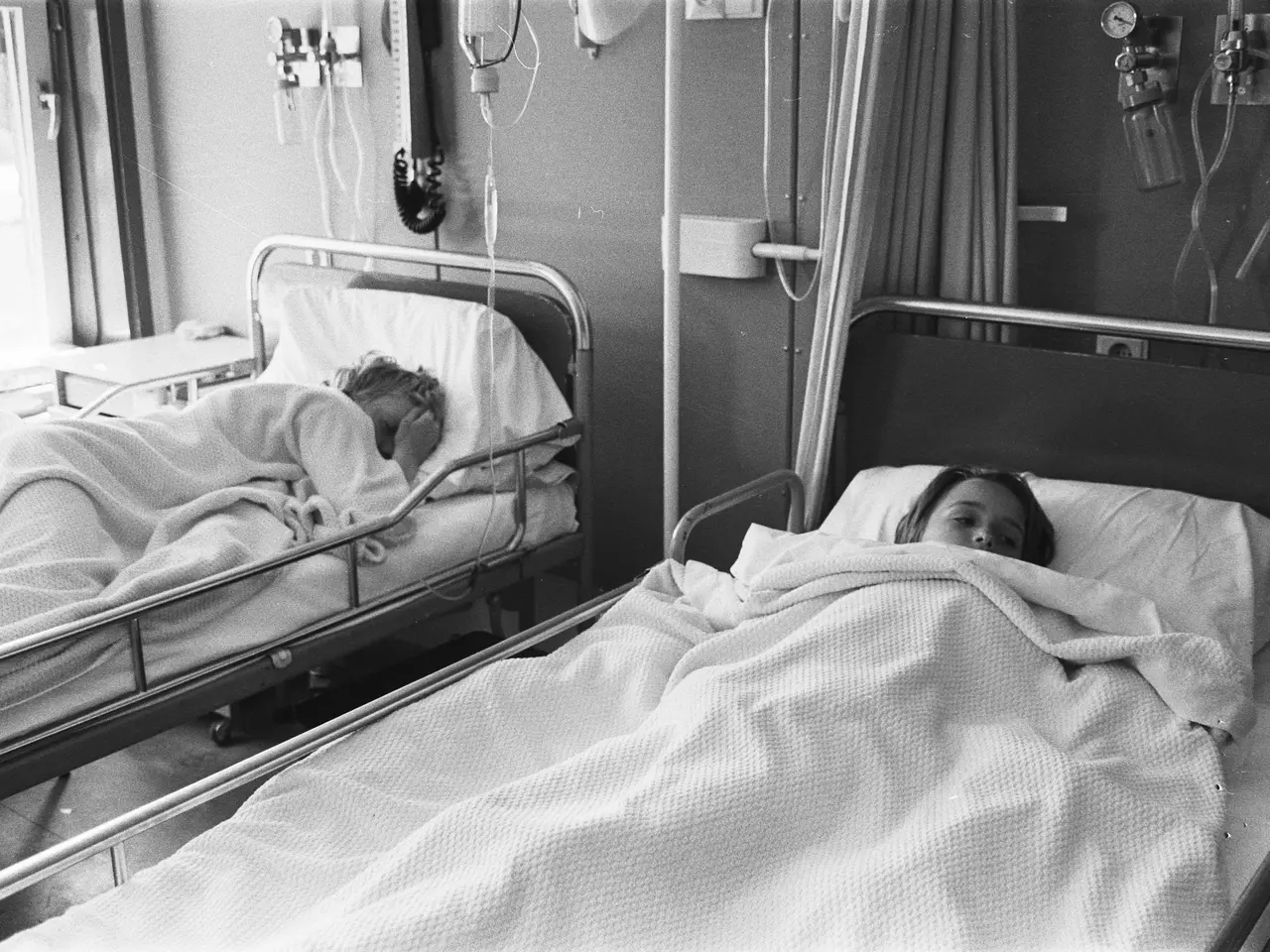
UC San Diego Health has launched a five-year study to examine how better sleep in intensive care units (ICUs) could reduce delirium among adult patients. Funded by a $12 million grant, the research will involve eight major hospitals across the US. The project aims to improve patient recovery while cutting healthcare costs linked to delirium complications. The study is led by Biren Kamdar, a pulmonologist and critical care specialist at UC San Diego Health. His team will investigate how disrupted sleep in ICUs contributes to delirium, a common and dangerous condition for critically ill patients.
Advanced tools like polysomnography and wearable actigraphy devices will track patients’ sleep patterns. These objective measurements will help assess the impact of different sleep-promoting methods, including both medication and non-drug approaches. Patient and clinician feedback will shape the research, ensuring strategies are practical for real-world ICU settings. The findings may lead to new clinical guidelines that prioritise sleep protection in hospitals worldwide. Beyond immediate patient care, the study seeks to uncover the biological links between poor sleep and delirium. This deeper understanding could guide future treatments tailored to at-risk individuals.
If successful, the research could transform ICU practices by embedding sleep-focused protocols into standard care. The potential benefits include fewer delirium cases, faster patient recoveries, and lower treatment costs. Results may also influence global ICU guidelines, making sleep management a priority in critical care.