Fitbit Air Tracks Driver Fatigue to Prevent Deadly Road Accidents
A new wearable device aims to tackle one of the biggest risks on the road: driver fatigue. The Fitbit Air, a screenless tracker, monitors key health signals to assess whether a person is fit to drive. With drowsy driving linked to thousands of deaths each year, this small device could make a real difference before drivers even start their engines.
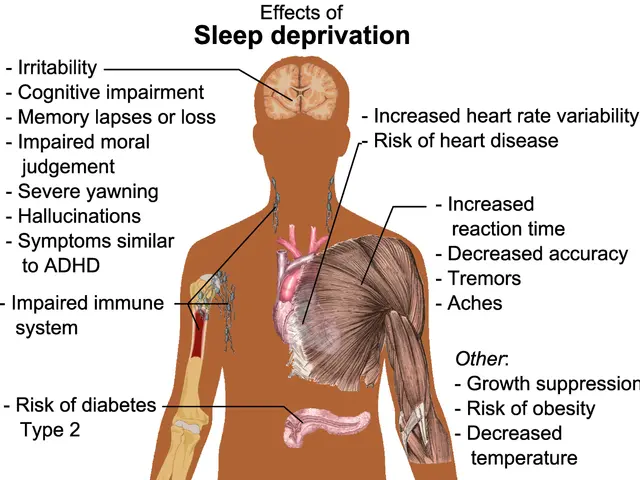
The Fitbit Air works by tracking heart rate variability, skin temperature, stress responses, and sleep recovery scores. Unlike other wearables, it has no screen, so it won’t distract drivers while they’re on the move. Instead, it sends insights directly to the user’s phone before they get behind the wheel.
Most drivers struggle to judge their own impairment, often feeling alert when their reaction times are actually slower. The device helps by giving a daily readiness score based on overnight data. Users are encouraged to check this score each morning and delay trips if it falls below 60.
At $99, the Fitbit Air is priced to be widely accessible. Some insurers already monitor driver behaviour, so the device could also influence insurance costs. Even with advanced systems like Tesla’s Full Self-Driving, the human driver must stay sharp—making tools like this a useful extra layer of safety.
While automakers spend billions on sensors to track the outside of vehicles, the driver’s condition remains a critical risk. The Fitbit Air focuses on that gap, offering a simple way to reduce accidents caused by fatigue or stress.
The Fitbit Air provides a low-cost way to check fitness to drive before starting a journey. By using health data to flag potential risks, it could help cut down on fatigue-related crashes. For drivers, insurers, and road safety, its impact may stretch far beyond its small size.